432 hertz: the whispered frequency - what the vibration makes us feel
Sounds & Music Therapy yesterdayAdd to bookmarks
Why do some musicians and sound therapists tune their instruments to 432 Hz instead of 440? A gentle exploration of a debate that is older than it seems—and what the vibration changes in listening.
A slightly lower note, barely
For a few years now, the number has been everywhere in music therapy and sound therapy circles: 432 hertz. An alternative tuning frequency to the modern standard (the A at 440 Hz), presented by its defenders as softer, closer to the body, more "organic".
I am not here to settle a debate in acoustics physics - researchers do it better than me. I am here to tell what changes a vibration when you really listen to it.
What tradition says, and what the standard says
The A at 440 Hz became the international tuning reference in the 20th century, adopted by convention. Before it, orchestras and luthiers tuned to varying frequencies depending on the times and regions - 415 Hz Baroque, 435 Hz in the 19th century, and many other nuances.
432 Hz fits into this memory of lower tunings. Neither "better" nor "worse" in the absolute: simply another color, another grain.
A listening ritual - step by step
If you are curious to experience the difference, try this one evening:
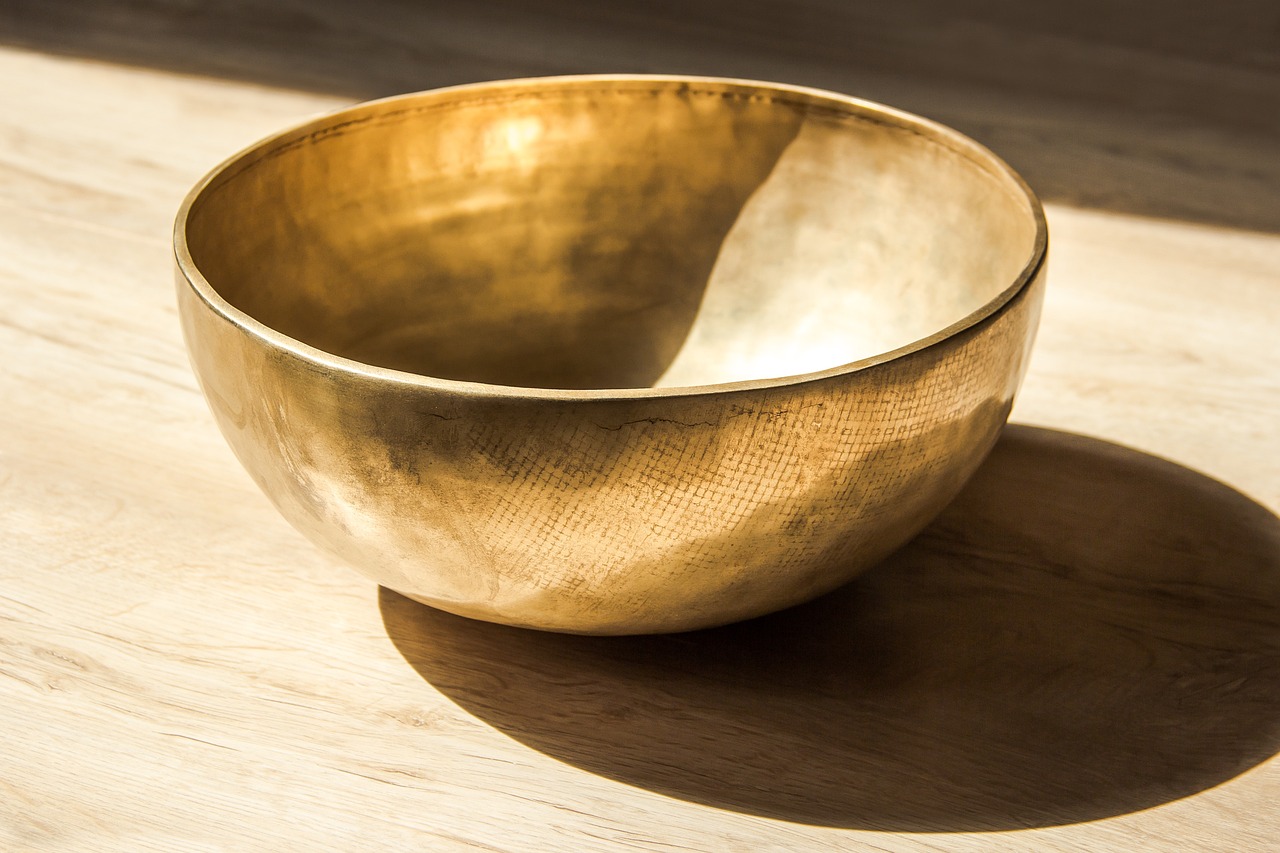
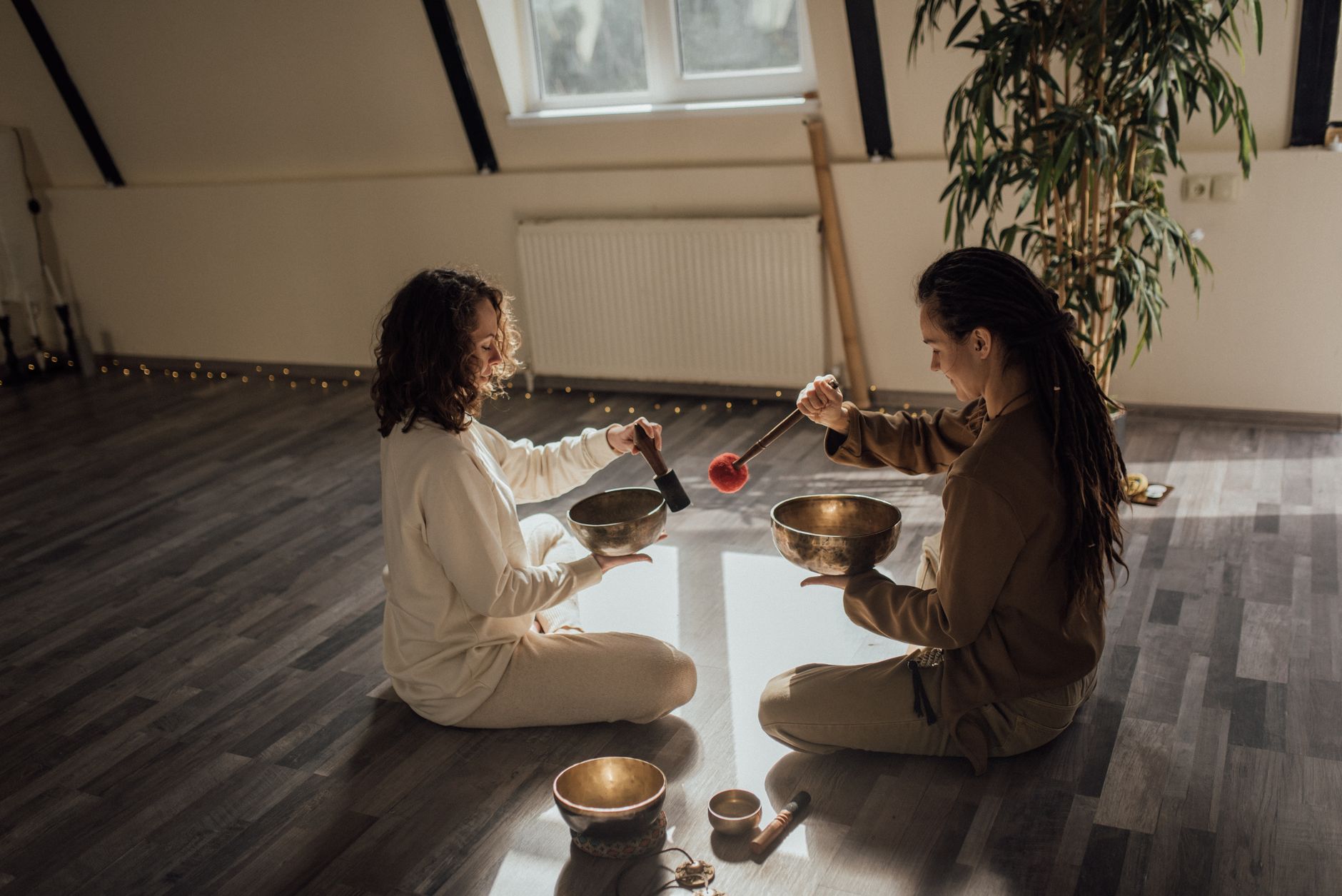
- Choose two versions of the same piece - one tuned to 440 Hz, one to 432 Hz. They are now easily found (singing bowls, ambient music, mantras).
- Sitting, shoulders relaxed, place the sound at low volume, almost whispered.
- Listen to the first version for two to three minutes. Note the sensation in the chest, the neck, the stomach.
- Silence for thirty seconds. Let the body rest.
- Listen to the second version. Observe, without judging, what moves - or does not move.
Some feel a slightly deeper relaxation with 432 Hz; others, nothing particular. Both experiences are valid. It's your listening that counts, not the theory.
What I keep from 432 Hz
What I personally like about this practice: it brings back slow listening. We no longer consume music - we receive it. Maybe that's the real benefit: the attention we give back to the sound.
Precautions
The debate around 432 Hz is passionate, sometimes excessive. No frequency tuning is a remedy. Music therapy and sound therapy are relaxation and well-being practices, never treatments. If you are going through a period of insomnia, anxiety, or pain, in addition, not as a replacement - consult a health professional.
Article produced by artificial intelligence, reviewed under human editorial control.
The journey
Univers sonore — écoute, vibration, rituels
- 1Six things sound does to the body and mind - a balanced overview18/07/2026
- 2432 hertz: the whispered frequency - what the vibration makes us feel19/07/2026
- 3Humming singing - when humming becomes an intimate practice19/07/2026
- 4The singing bowls - understanding the object before listening to it20/07/2026