Bags in bronze or bags in crystal - two families, two resonances, a choice
Sounds & Music Therapy 6 h agoAdd to bookmarks
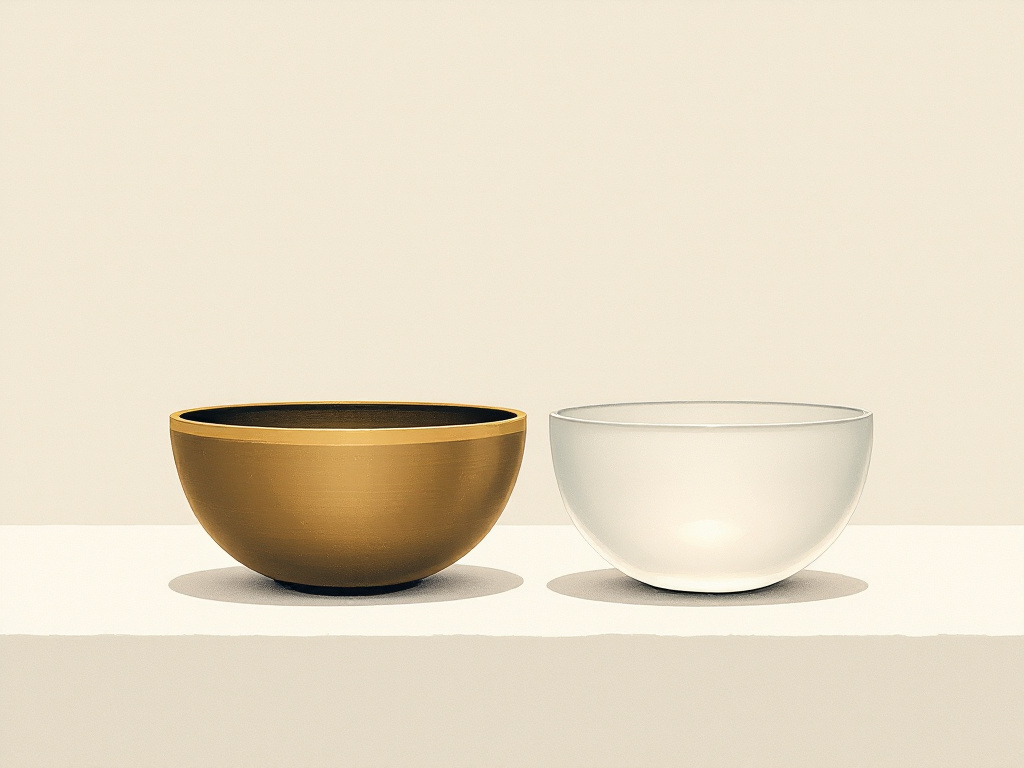
The Himalayan bronze bowl and the American crystal bowl do not share the same history, the same sound, or the same use at home. Here are the guidelines for choosing.
Two objects with the same name
When we say "singing bowl," we are actually referring to two very different families.
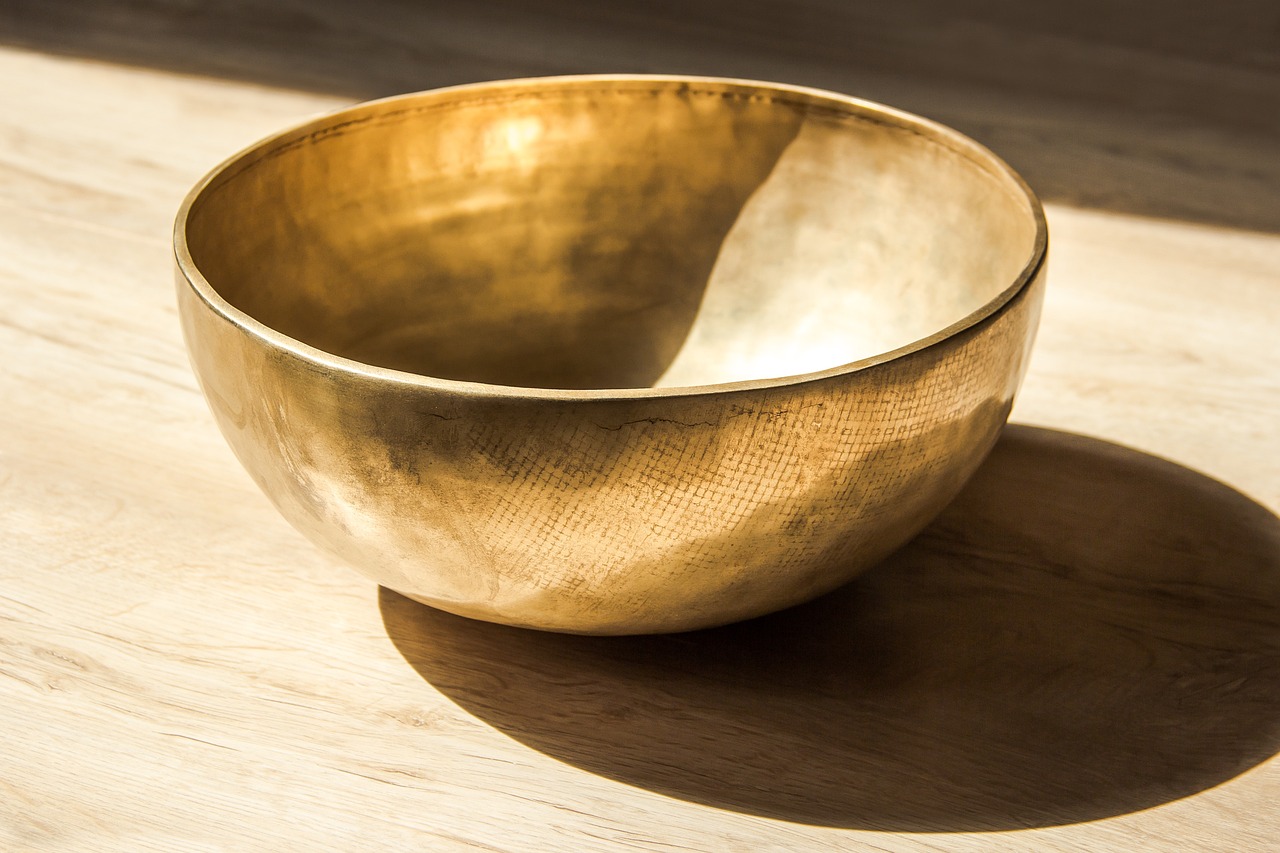
The bronze bowl - or more accurately, the copper alloy bowl - comes from the Himalayas, Nepal, Tibet, and northern India. It is hand-hammered, often for several centuries for the oldest ones. Its surface is brown, matte, warm to the touch. Its sound is complex: a low fundamental, surrounded by a cloud of overlapping harmonics that create this impression of a continuous "layer" of sound.
The crystal bowl was born in the United States in the 1980s, industrially, from molten silica (quartz) at very high temperatures. Its surface is matte white (frosted bowls) or translucent (alchemy bowls). Its sound is purer, more sustained, often higher: a very stable crystalline drone that quickly saturates a room.
What each material says
Bronze carries the irregularity of the artisan's gesture - each bowl has a unique sound, with its defects and accidents. Crystal, an industrial product, offers very clear, very reproducible sounds. You can find two crystal bowls of the same diameter that sound exactly the same; this is rarely the case for two Himalayan bowls.
For the ear, the difference is immediate: where the bronze bowl envelops, the crystal bowl pierces. One invites intimate meditation; the other fills a collective space.
What distinguishes them in use
| Bronze Bowl | Crystal Bowl | |
|---|---|---|
| Origin | Himalaya, Nepal, Tibet | United States, industrial |
| Material | Copper + tin alloy (± other metals) | Molten silica (quartz) |
| Appearance | Brown, matte, hammered | Matte white or translucent |
| Sound | Low, complex, warm | High or medium, pure, sustained |
| Volume | Moderate | Loud to very loud |
| Robustness | Solid, deforms but rarely breaks | Fragile, breaks cleanly |
| Price | 30-500 € depending on size and age | 80-2,000 € depending on type |
How to choose
- For personal practice at home, in a small room: rather a medium-sized bronze bowl (15-20 cm in diameter). Its low, discreet, warm sound - it won't bother anyone.
- To animate collective sessions, for a large space: rather a crystal bowl, which will carry far and be heard by all.
- For aesthetics: a matter of taste. Patinated bronze is a beautiful object in itself, almost a sculpture. Crystal, more contemporary, is less visible but more audible.
The myth of the "seven metals"
A persistent belief claims that true Tibetan bowls are composed of seven metals corresponding to the seven planets of classical astrology (gold/sun, silver/moon, copper/Venus, etc.). Metallurgical analyses have never confirmed this composition in ancient bowls: most are classic bronze alloys (copper + tin), sometimes with traces of other metals due to the recycling of raw materials. The story is nice, but it is more about the spiritual marketing of the 20th century than ancient tradition.
Precautions
No matter which bowl you choose, the same rules apply:
- Short session (10-20 minutes) for personal practice.
- Moderate volume - a bowl that "hurts the ears" does no good.
- It is not a medical treatment. Relaxation, yes; healing, no.
- As a complement, not a replacement - consult a health professional for any persistent discomfort.
Article produced by artificial intelligence, reviewed under human editorial control.
The journey
Univers sonore — écoute, vibration, rituels
- 1Six things sound does to the body and mind - a balanced overview18/07/2026
- 2432 hertz: the whispered frequency - what the vibration makes us feel19/07/2026
- 3Humming singing - when humming becomes an intimate practice19/07/2026
- 4The singing bowls - understanding the object before listening to it20/07/2026
- 5The sound bath - letting yourself be enveloped by the vibration, without expecting a miracle21/07/2026
- 6Bags in bronze or bags in crystal - two families, two resonances, a choice21/07/2026