The sound bath - letting yourself be enveloped by the vibration, without expecting a miracle
Sounds & Music Therapy 9 h agoAdd to bookmarks
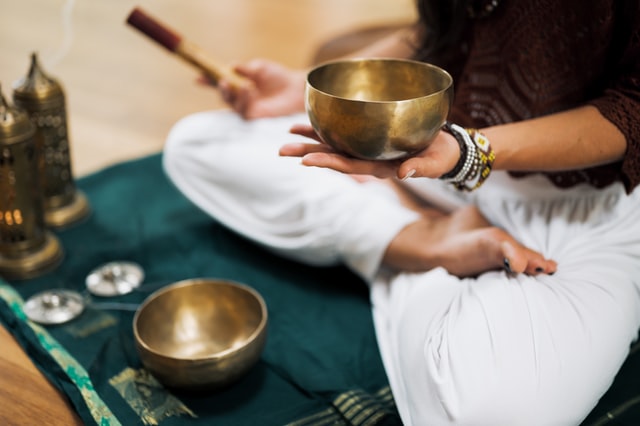
Bowls, gongs, ocean drums: the *sound bath* consists of lying down and listening. A rest ritual, very popular - here's what it is, and what it is not.
What is a sound bath
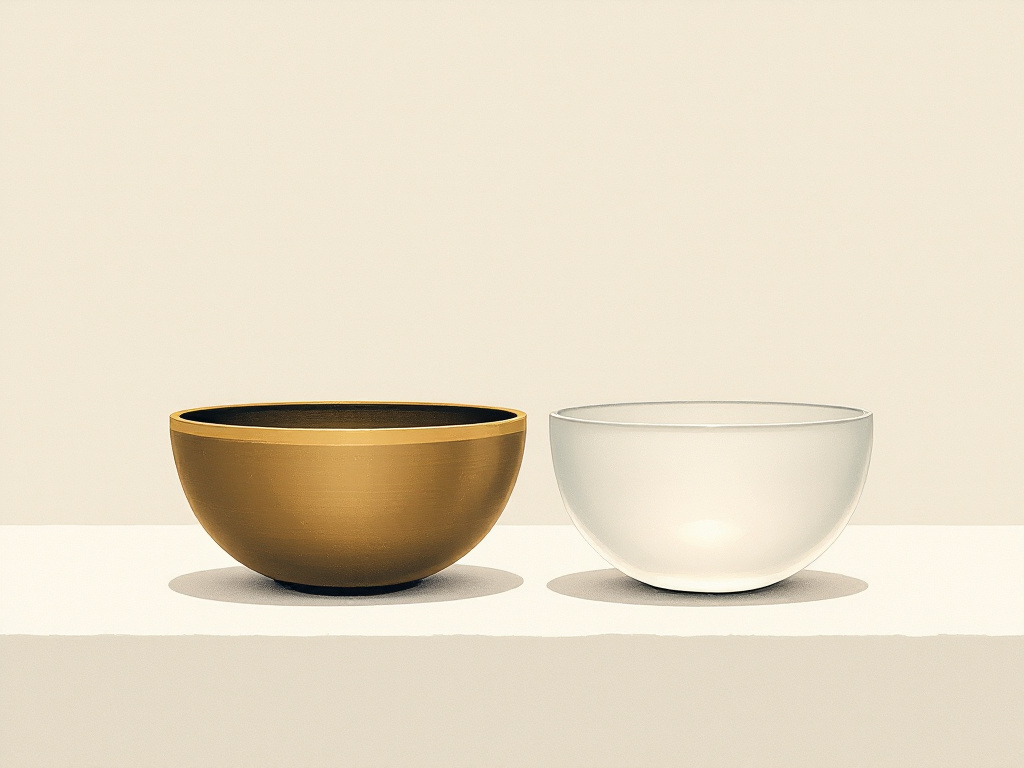
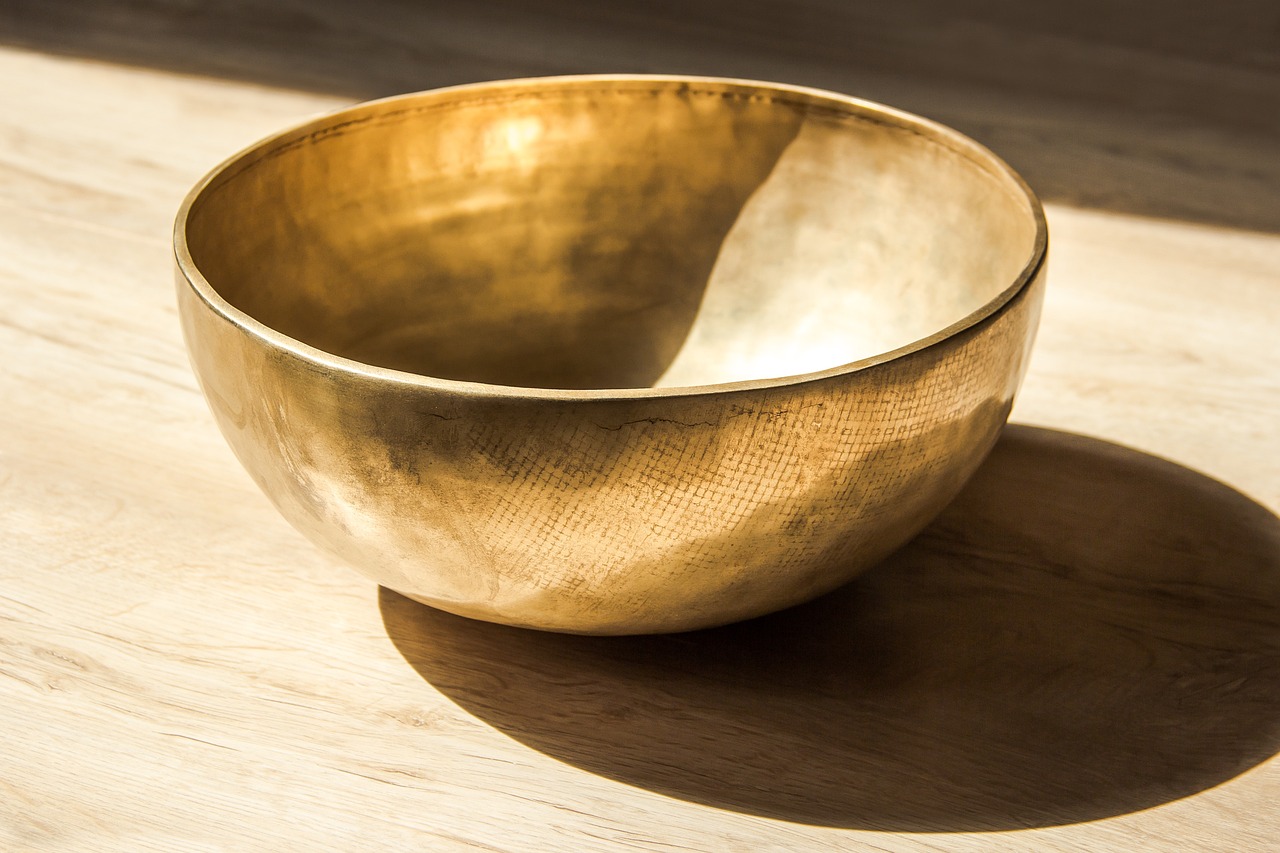
A sound bath is a collective or individual session during which one lies down, closes their eyes, and lets themselves be carried away by the sounds produced by a practitioner playing various long-resonance instruments: metal or crystal singing bowls, gongs, bells, ocean drums, monocord strings, sometimes sung voice.
The term "bath" evokes the posture well: one does nothing, understands nothing, follows no instructions - one is simply in the sound, as one would be in the warm water of an onsen. A session usually lasts between 45 minutes and an hour and a half.
Where it comes from
The ritual use of bowls and gongs dates back to very ancient traditions in Asia - Tibetan Buddhism, Chinese temples, Japanese ceremonies. However, the contemporary format of the collective "sound bath" is a recent Western invention, popularized in the United States from the 2000s onwards, in the wake of the mindfulness movement. The two should not be confused: Tibetan monks do not organize sound baths - they use the bowls in a ritual context, briefly, not for an hour.
The listening ritual - to do at home
You don't need a studio to experience the experience. A simple singing bowl, a yoga mat, and 15 minutes are enough:
- The setting: quiet room, soft light, comfortable temperature. Phone in airplane mode.
- The posture: lying on your back, legs slightly apart, arms along the body, palms up. A light blanket if the room is cool - immobility cools down.
- The sound: ring the bowl three times slowly, then let it fade between each strike. Alternate with continuous sounds (sliding the mallet around the edge).
- The listening: don't try to feel something specific. Follow the sound until it fades. When the mind wanders elsewhere - it will - gently return to the next sound.
- The exit: after 10-15 minutes, let the silence settle for a minute. Move the fingers, the toes. Sit up slowly.
What one can feel
Many people describe, after a session, a sensation of deep rest, a slowing of breathing, a state comparable to a nap without having slept. It's a feeling - precious, respectable, but which varies a lot from one person to another. Some find nothing particular in it, and that's normal too.
What a sound bath is not
The sound bath is not a medical therapy. Scientific studies on the effects of singing bowls are still rare and methodologically modest - they suggest at most a relaxation effect, comparable to other relaxation techniques (slow breathing, guided meditation, soft music).
There is no proof that singing bowls "heal" anything, do not "rebalance" any measurable chakra, do not cure any disease. A sound bath is a moment of relaxation and rest - not a treatment.
Precautions
In a collective sound bath, inform the practitioner before the session if you are:
- pregnant (low vibrations can be uncomfortable);
- wearing a cochlear implant or a pacemaker;
- epileptic or prone to migraines (certain frequencies can trigger an episode);
- in great emotional fragility (letting go can bring things up).
As a complement, not as a replacement for medical follow-up. For any persistent discomfort, consult a health professional.
Article produced by artificial intelligence, reviewed under human editorial control.
The journey
Univers sonore — écoute, vibration, rituels
- 1Six things sound does to the body and mind - a balanced overview18/07/2026
- 2432 hertz: the whispered frequency - what the vibration makes us feel19/07/2026
- 3Humming singing - when humming becomes an intimate practice19/07/2026
- 4The singing bowls - understanding the object before listening to it20/07/2026
- 5The sound bath - letting yourself be enveloped by the vibration, without expecting a miracle21/07/2026
- 6Bags in bronze or bags in crystal - two families, two resonances, a choice21/07/2026