The ube, the purple powder from the Philippines - for recipes that are as beautiful as they are delicious
Vegetable Cuisine 10 h agoAdd to bookmarks
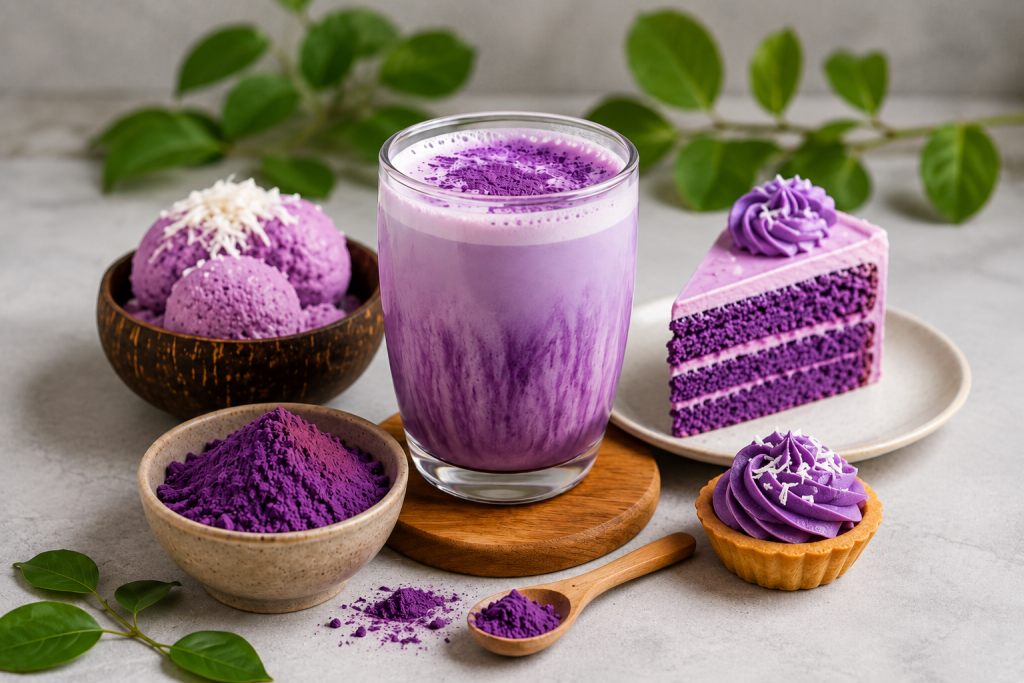
A luminous violet, almost unreal, a taste of vanilla and nuts. The ube (pronounced "oo-beh") revolutionizes summer desserts with a lot of sweetness and zero food coloring.
Meeting a tuber with panache
Ube is the Filipino name for Dioscorea alata - a purple-fleshed yam, cultivated for centuries in the archipelagos of Southeast Asia. Nothing to do with the purple sweet potato (Ipomoea batatas), even though they are often confused: ube is denser, more fragrant, with a sweet note that leans towards vanilla, coconut, and chestnut.
In the Philippines, it is cooked and then mashed to make ube halaya, a jam-cream that is spread on bread or used in ice creams and halo-halo (layered frozen dessert). For a few years, its pretty pastel color has seduced the entire sphere of creative pastry-making - and for good reason: it is a natural dye obtained without additives.
Where to find it
In Europe, the fresh tuber is rare. It is most often used in the form of dried powder, available in Asian grocery stores or online. Choose a powder with a deep color, neither dull nor ultra-violet (beware of additive-powders: read the label, the ideal is "100% ube powder"). Once opened, store the bag in an airtight box, away from light.
Ube whipped cream for summer
For 4 people, in 10 minutes:
- 20 cl of very cold full-fat liquid cream (30% fat)
- 2 teaspoons of ube powder
- 2 tablespoons of powdered sugar
- 1 knife tip of vanilla extract (optional)
Whip the cold cream in a well-chilled bowl until it starts to hold. Add the powdered sugar and sifted ube powder (important to avoid lumps). Continue whipping until you get a firm pink-lavender whipped cream - the color intensifies as it rests.
To be used on strawberries, a seasonal pavlova, a lost brioche, or simply in a small glass with a bit of homemade granola.
Three other ideas, in variations
- Sunday pancakes: add 1 tablespoon of ube powder to the classic pancake batter (300 g of flour, 2 eggs, 300 ml of vegetable or animal milk, a bit of sugar). Serve with a red fruit compote and a drizzle of maple syrup.
- No-churn ice cream: mix 40 cl of whipped cream, a can of sweetened condensed milk (400 g), 3 tablespoons of ube powder. Place in the freezer for 6 hours. That's all.
- Energy balls: blend 150 g of pitted dates, 100 g of cashews, 30 g of oat flakes, 2 teaspoons of ube. Roll into small balls, let firm up for 30 minutes in the fridge.
The color of ube comes from **anthocyanins**, the same pigments found in blueberries or red cabbage. These are food antioxidants, naturally present in many colored plants - to be consumed for pleasure, without expecting any therapeutic effect.
Not too much, but good
Ube remains a sweet tuber: it is not a miracle food, just a beautiful idea to change, color, and make smile - without industrial dye, without added flavor. An archipelago tuber that brings sunshine to our tables here. And that's more than enough.
Article produced by artificial intelligence, reviewed under human editorial control.