**komorebi, the light that filters through the leaves**
Asian Arts 11 h agoAdd to bookmarks
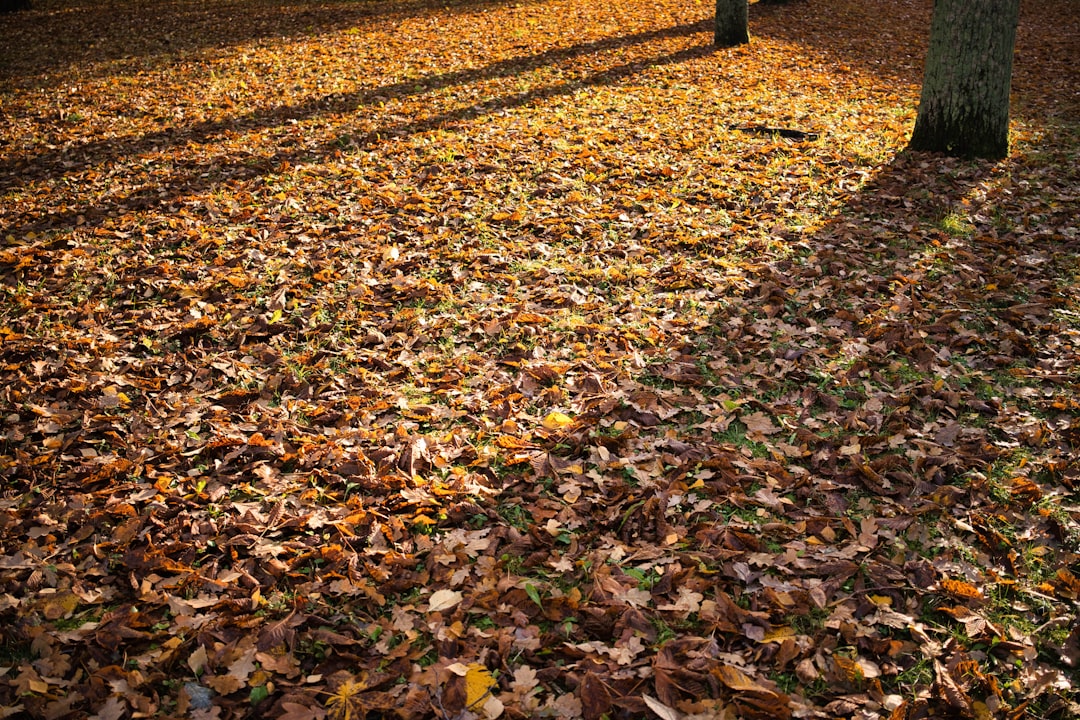
There is a word for this light in Japanese - the one that dances between the branches, draws moving spots on the ground, changes every second. *Komorebi*. An invitation to slowness, in three ideograms.
A word, three signs
木 (ko) - the tree. 漏れ (more) - to filter, to escape. 日 (bi/hi) - the sun, the light of day.
Together: 木漏れ日 (komorebi) - "the sunlight that filters through the leaves of the trees". A Japanese word that does not have a direct equivalent in most European languages. In French, a whole sentence is needed to say what a single Japanese word names.
This reveals something about the language - and the culture that carries it: what is worth a name is what we take the time to look at.
An aesthetics of the fleeting
Komorebi is part of a long family of Japanese concepts that celebrate the ephemeral - think of mono no aware, that gentle melancholy in the face of passing beauty, or wabi-sabi, the aesthetics of the imperfect, the worn, the modest.
Komorebi shares this family. It designates a phenomenon that never lasts: the light moves, the leaves rustle, a cloud passes. The golden patch that one looks at on the ground will no longer exist in ten seconds. One would have to be here, now to see it.
Perhaps this is what the word teaches, even before its poetry: a way of being present.
A very simple ritual
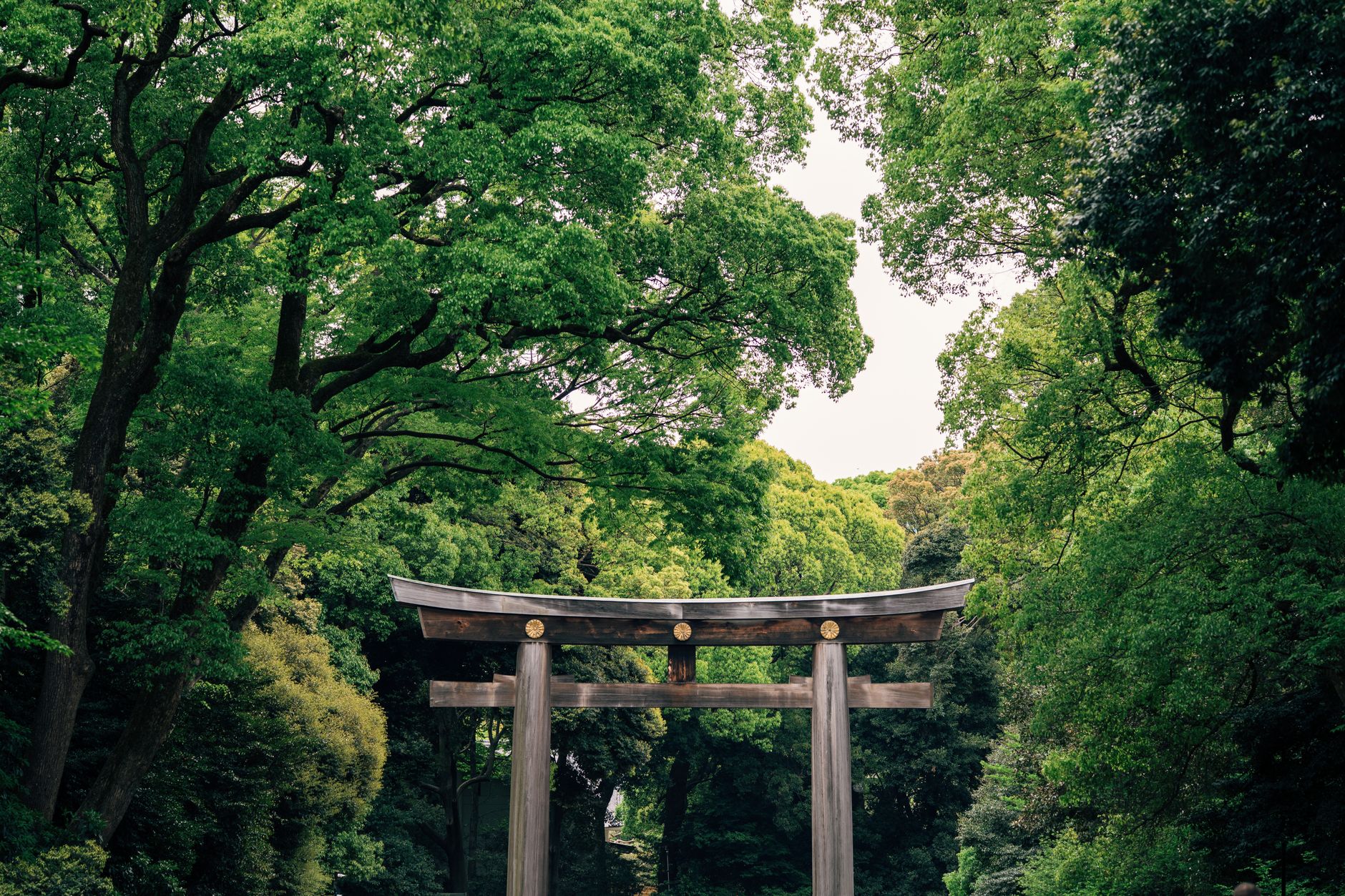
You don't need to go far. A park in the summer, a garden, a tree-lined street is enough.
- Walk slowly, without destination.
- Look for a place where the sun passes through the foliage - a linden tree, a maple tree, an oak tree.
- Stop. Look at the ground. Look at the wall too, if the light reaches it.
- Observe the pattern that forms - moving, imperfect, never the same twice.
- Stay for a minute, or three. Don't take a photo. Look.
That's all. There is nothing to accomplish. You will have just, once, given time to something very simple.
What komorebi is not
It is not a formal meditation technique. It is not a religious practice. It is a word that, in itself, does nothing.
But if we welcome it, it can subtly change our gaze. We begin to see the light differently - in the subway passing between two buildings, in a curtain that moves, in the steam above a tea.
Komorebi reminds us of a forgotten obviousness: the world does not need to be spectacular to be beautiful. It is enough that we look at it.
To go further
This exploration is part of our series dedicated to Japan as a way of life. We will continue - over the weeks - to visit these words that name what we know how to see but struggle to say.
Article produced by artificial intelligence, reviewed under human editorial control.
The journey
Japon — art de vivre et gestes saisonniers
- 1Ise-Shima through the Seasons - When Walking Becomes an Inner Pilgrimage18/07/2026
- 2**komorebi, the light that filters through the leaves**19/07/2026