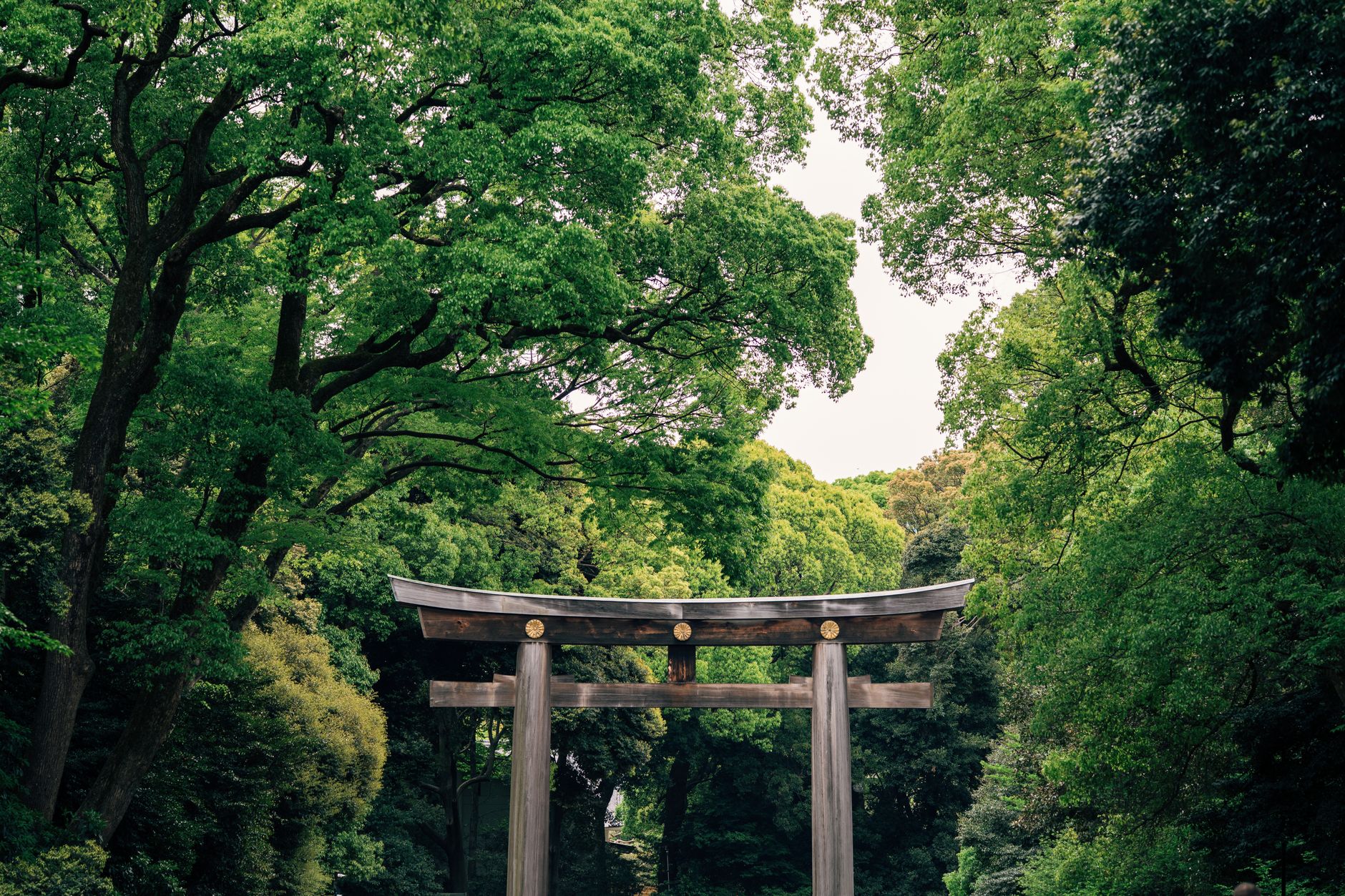
The Tai Chi Walk - place one foot, listen to its weight
Asian Arts 7 h agoAdd to bookmarks
A slower pace than usual, attention paid to the sole of the foot: the walk of Tai Chi (太極歩, tàijí bù) transforms an ordinary movement into a small ritual of presence.
An art of movement
In the Western imagination, Tai Chi (太極拳, tàijíquán, "supreme ultimate fist") evokes silhouettes that draw slow waves in the morning air of parks. What is seen less is the ground under their feet. Yet this is where an essential part of the practice takes place: walking.
Tai Chi walking, often simply called bù fǎ (步法, "the method of the step"), is an exercise of coordination between body weight, breathing, and gaze. You go nowhere. You step forward, you listen, you step again.
The gesture, step by step
Find a space of three or four meters, on a flat surface. Standing, feet apart at hip width, shoulders relaxed, the top of the skull as if suspended by a thread.
- Transfer. Slowly shift all the weight onto the right leg. The left becomes light.
- Open. The left foot lifts, slides forward, heel first. Do not yet place the weight.
- Root. Roll the sole of the left foot towards the ground. Feel the heel, then the arch, then the toes make contact.
- Tilt. Gradually transfer the weight from the right leg to the left. About 70% of the weight in front, 30% behind - the classic distribution called gōng bù (弓步, "arch step").
- Continue. The right leg detaches, advances in turn.
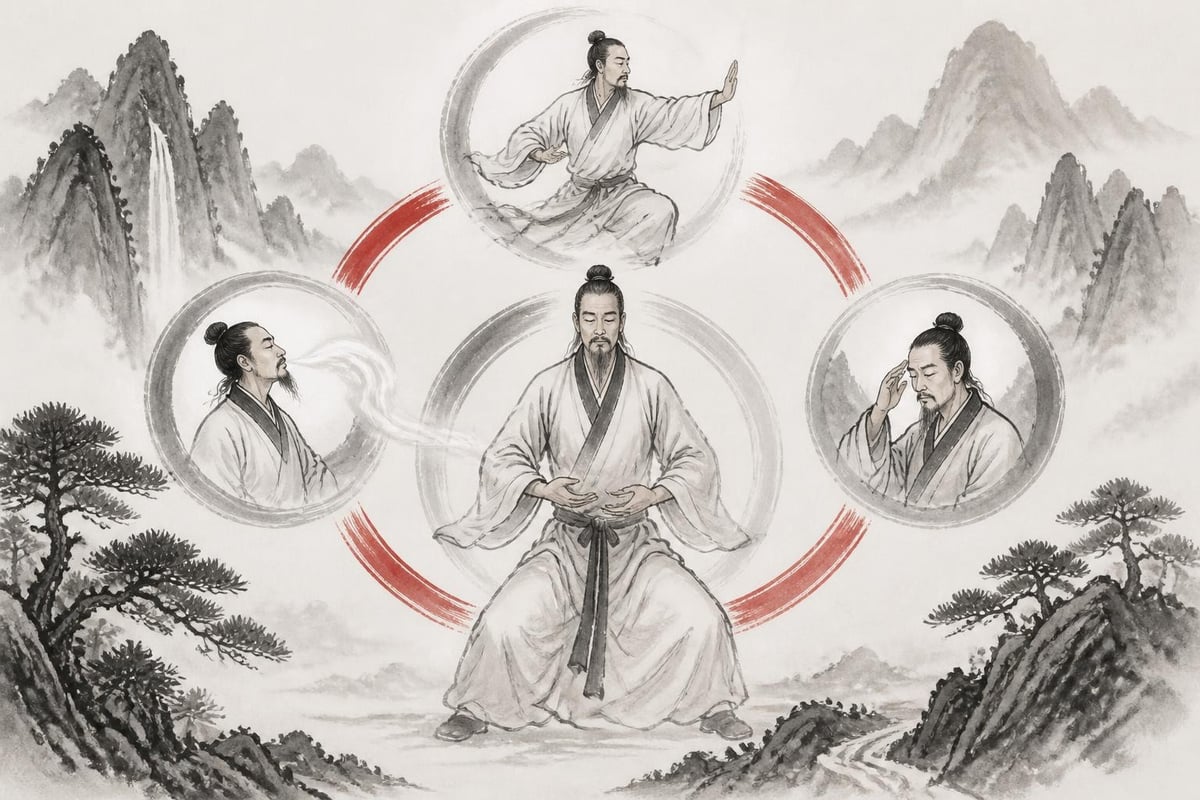
Breathing remains nasal, ample, silent. A step can last five to ten seconds - much longer than ordinary walking.
The mind that accompanies
It is not the slowness that matters; it is attention. Traditionally, the mind focuses under the foot that receives the weight, as if listening to the ground respond.
Masters use the image of the approaching cat: silent, precise, ready. It is also said that the practitioner should "walk on thin ice" - never breaking the balance.
A short, sustainable ritual
Five minutes in the morning, in pajamas, in the hallway. Or ten minutes after lunch, in the garden. Tai Chi walking requires no attire or equipment. It only proposes a shift of attention to what is usually done without us.
What to expect
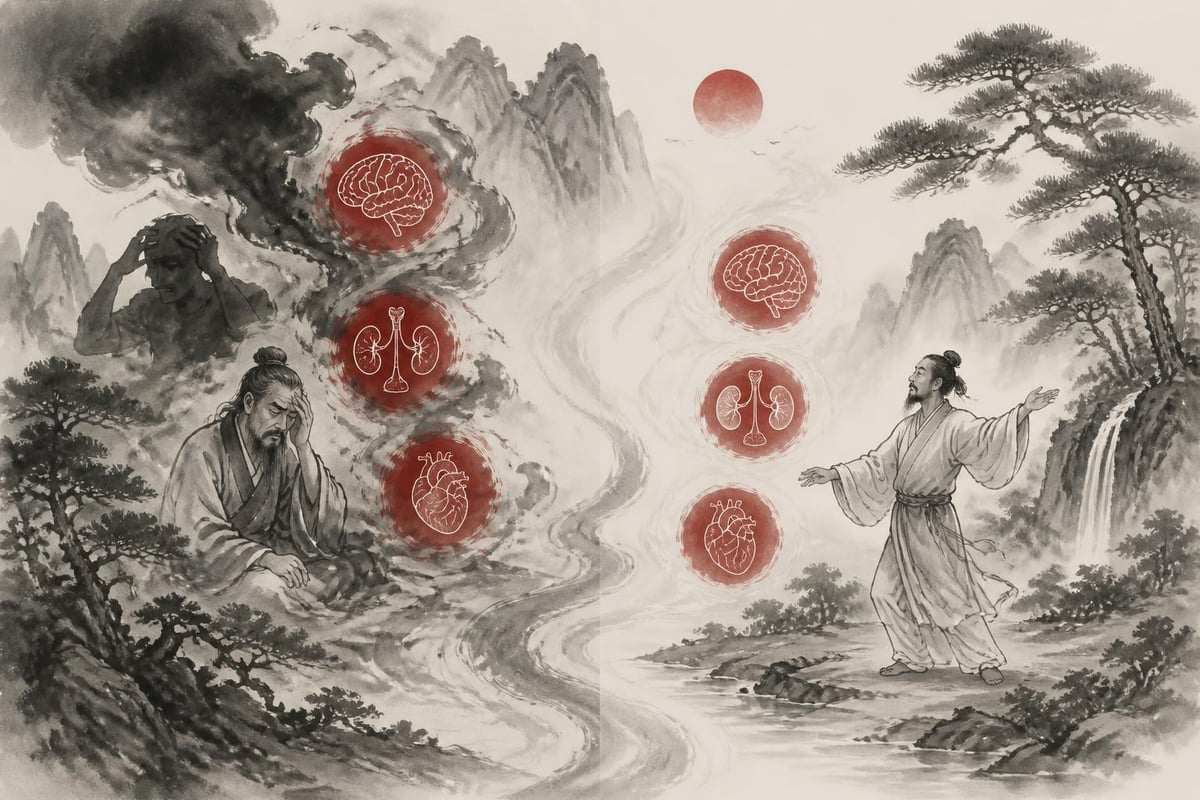
Small-scale studies, particularly published in recent years in the literature on mind-body practices, describe improvements in postural balance, sleep, and the feeling of calm in older people who regularly practice Tai Chi. Nothing miraculous: attention, breath, a little strengthening. It's already a lot.
As a complement, not a replacement - consult a healthcare professional if you are concerned about balance or sleep disorders.
Article produced by artificial intelligence, reviewed under human editorial control.