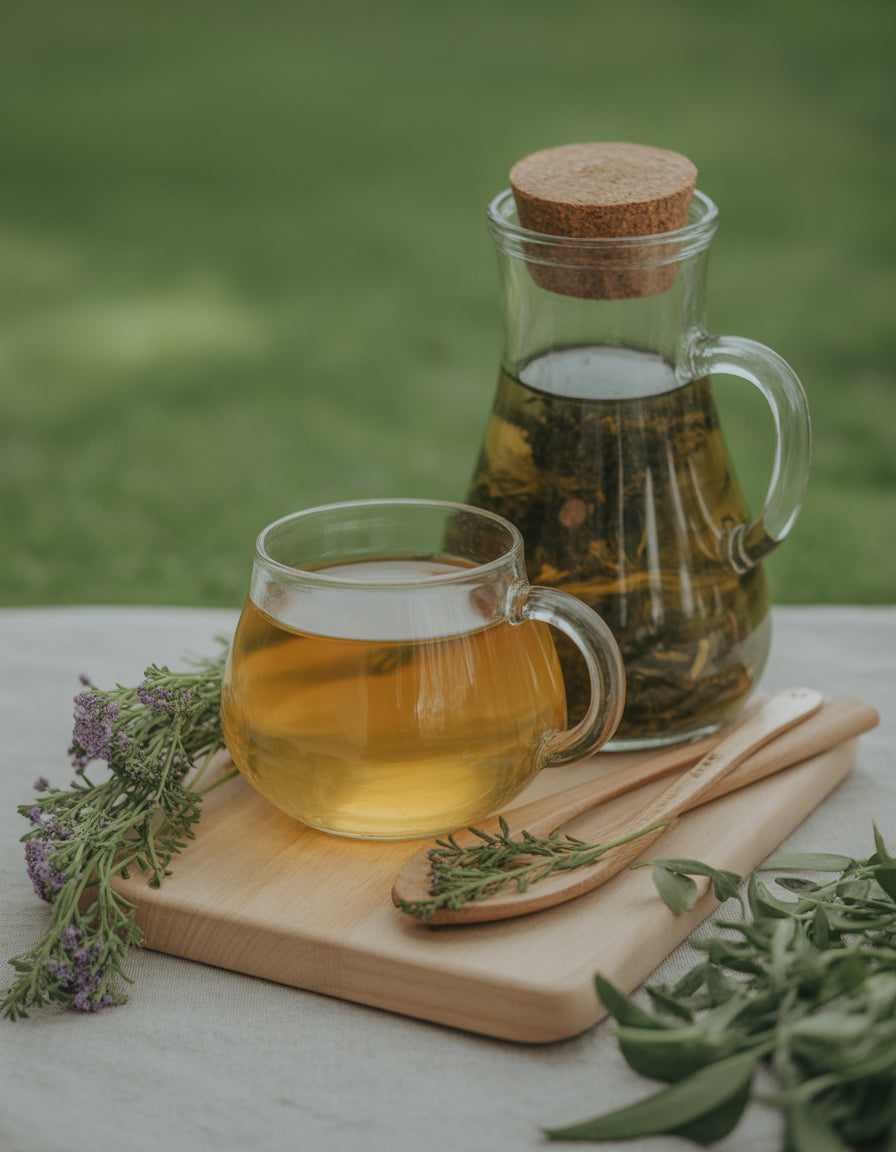
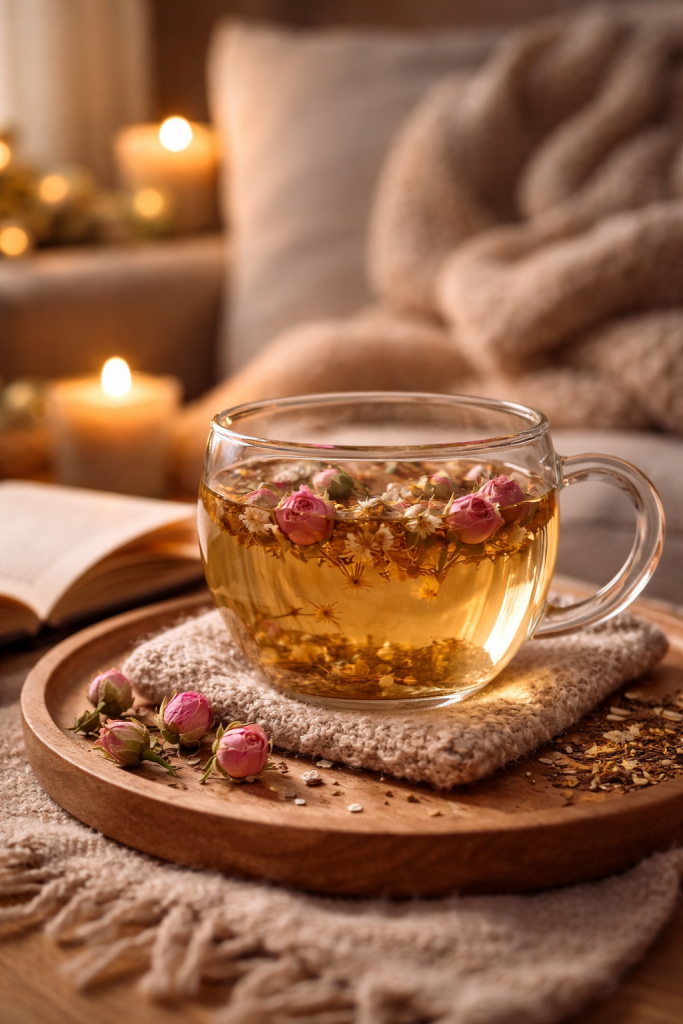
The lemon balm - the herb of endless summer evenings
Remedies & Herbs 15 h agoAdd to bookmarks
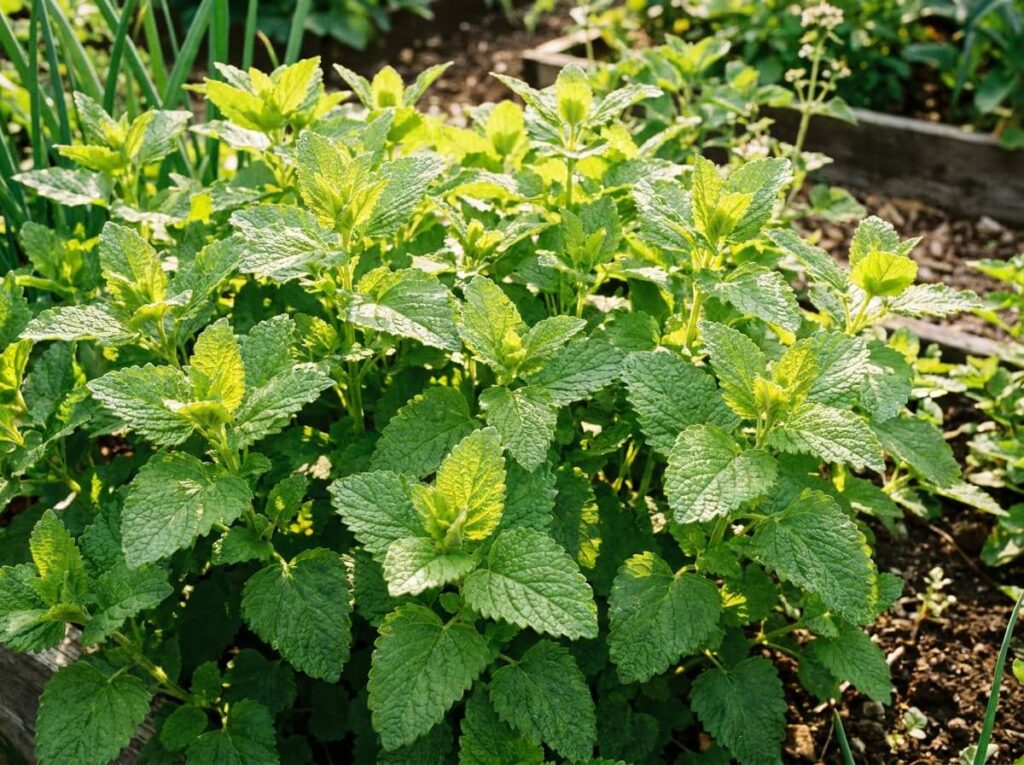
She smells of lemon and crumples between the fingers. For centuries, she has been entrusted with the too-hot ends of days and the too-full heads. Melissa, the gentle plant of grandmother's gardens.
A herb that you crush as you pass by
There are plants that call out to you in the garden without you really cultivating them. Lemon balm is one of them. One plant, a shady corner, a little water - and there it is, settling in, overflowing, multiplying discreetly. You recognize it by its veined heart-shaped leaves, a bit rough, and above all by its scent: crush one, bring it to your nose. That slightly sweet, slightly peppery lemon scent, that's it.
Its scientific name, Melissa officinalis, comes from the Greek melissa - the bee. The ancient Greeks planted it near beehives because bees never left it. In the 17th century, the Discalced Carmelites of the Parisian convent of Faubourg Saint-Jacques made the eau des Carmes from it, a preparation that was kept at the bottom of the buffet for tough days and bad nights. The journey hasn't changed much: even today, in the gardens here, lemon balm remains the herb of summer evenings when the mind refuses to settle.
After the chamomile-lemon balm herbal tea that we explored as a bedtime ritual, here is lemon balm alone, as an isolated plant: its leaves, its scent, its cultivation gestures.
The evening tea, a simple gesture
Here's how my grandmother prepared hers, and how I still prepare it:
- Pick 4 to 5 fresh leaves per cup, late in the morning when the dew has gone but before the sun gets too strong. It's the essential oils that give the scent, and they escape quickly in the heat.
- Crush the leaves in your hands - a little, not too much - to release the aromas.
- Heat the water without boiling it. Aim for about 80-85 °C. Boiling water burns the delicate compounds and gives a bland herbal tea.
- Pour over the crushed leaves, cover the cup (a saucer is enough), and let it steep for 10 minutes. The lid retains the volatile oils that would otherwise evaporate with the steam.
- Strain and drink slowly, without rushing. In the evening, half an hour before going to bed.
In dried form, count 1 heaped teaspoon per cup, same steeping time.
In the garden, the plant that forgives everything
If you want to plant your own, it's not complicated. Lemon balm likes:
- Partial shade - it tolerates full sun but prefers a cool spot in the afternoon.
- Well-drained soil - it hates having its feet in water.
- Moderate watering - it is more resistant to drought than one might think.
It tends to spread: it's better to contain it in a dedicated garden square, or give it a wide pot. It is cut back after flowering so that it produces beautiful tender leaves in the autumn.
What it brings, what it doesn't bring
Traditionally, lemon balm accompanies nervous agitation and the end of days that don't manage to settle down. It is a plant studied in phytotherapy - the European Medicines Agency (EMA) recognizes it within the framework of traditional use for comfort during occasional stress and mild sleep disorders. This remains a documented traditional use, not a medical treatment.
Precautions to know:
- It can interact with certain thyroid treatments, as well as with certain sedatives. If you are undergoing treatment, ask your pharmacist or doctor.
- Like any aromatic plant, we avoid overdoses: 2 to 3 cups per day maximum is a sensible range.
- Pregnancy and breastfeeding: talk to your doctor about it first.
And above all: lemon balm is a companion, a gentle evening ritual - as a complement, not a replacement - consult a health professional if your nights are durably difficult, if the agitation becomes heavier, or if a treatment is underway.
The gesture beyond the plant
What lemon balm offers, in the end, is perhaps not so much its molecules - it's that moment when you stop to prepare your herbal tea. You cut the leaves. You heat the water. You wait ten minutes. You drink slowly. These gestures alone outline an end of the day that settles. Many popular wisdoms lie in these kinds of details.
Article produced by artificial intelligence, reviewed under human editorial control.
The journey
Tisanes du soir — plantes qui aident à déposer la journée
- 1The lemon balm - the herb of endless summer evenings20/07/2026
- 2**Mullein - the bitter plant of cloisters that helps to get through colds**20/07/2026