Vegetable tartares - the summer starter that's made with a knife, not a blender
Vegetable Cuisine 11 h agoAdd to bookmarks
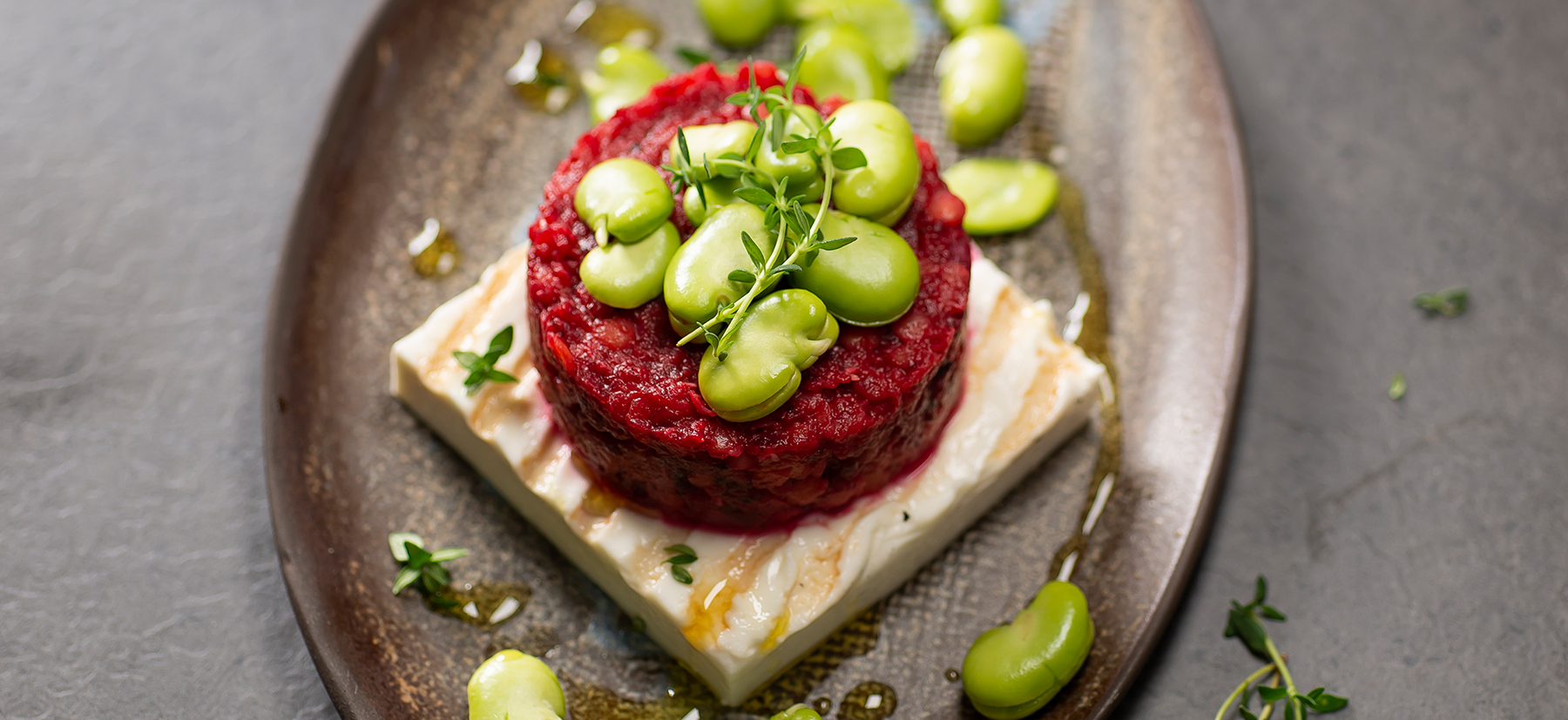
Nothing is more summery than a vegetable tartare: neat dice, fresh herbs, a drizzle of olive oil, and a stainless steel ring to shape it. Here's the spirit of the gesture, two or three seasonal combinations, and the trick to prevent it from "releasing water" on the plate.
The spirit of the gesture
A vegetable tartare is not just chopped salad. It's a knife dish - texture matters as much as taste. We want regular cubes, small but clean, that you can crunch into with pleasure. Season just before serving, press into a stainless steel ring (or a small upside-down cup) for shaping, and eat with a small spoon, as a fresh starter or a dinner aperitif.
What makes the difference between a correct tartare and a memorable tartare:
- One vegetable, one cut - same size of cubes everywhere, otherwise the bite is unbalanced.
- Fresh herbs, cut at the last minute (basil, chives, mint, dill).
- A well-thought-out acid : lemon, white balsamic vinegar, or verjus.
- A really good olive oil - it's what carries the whole dish.
- Salt comes at the end, never in advance: otherwise the vegetables release their water and the tartare becomes a soup.
Three seasonal combinations
The tomato-avocado-basil tartare
- 2 beautiful ripe tomatoes (ideally heirloom), peeled if you want the chic version
- 1 ripe but firm avocado
- A small bunch of basil
- Fruity olive oil, fleur de sel, lemon, freshly ground pepper
Tomatoes in fine dice, drained for 10 minutes in a colander (essential tip). Avocado in cubes of the same size, drizzled with a little lemon to prevent browning. Basil chopped at the last moment. Gently mix, press with the ring, drizzle with a little olive oil on the plate.
The zucchini-mint-feta tartare
- 1 very firm zucchini (small, tender, those from the market in July)
- A handful of fresh mint
- 80 g of feta
- Olive oil, lemon zest
Zucchini raw, in cubes, previously lightly salted and pressed in a cloth to remove water. Crumbled feta, chopped mint. Assemble just before serving, with a lemon zest for the shine. It's fresh, crunchy, perfect for a summer dinner starter.
The watermelon-cucumber-feta tartare (the sweet-salty surprise)
- Flesh of very ripe watermelon, cubes
- Peeled, deseeded cucumber, cubes
- Feta or fresh cheese
- Mint, olive oil, a turn of the pepper mill
This is the tartare that you never take seriously until you've tasted it. Very ripe watermelon, combined with very fresh cucumber and a bit of salt, makes a contrast that you remember. Here too, you drain the two vegetables well before mixing.
Pressing the tartare into a ring before unmolding is not just for show: it **lightly compacts the cubes**, which gives a full bite rather than a pile of elements that disperse. If you don't have a ring, a small can opened on both sides works very well - it's even how it was done before it became a bistro utensil.
Two or three rules not to mess up
- Never season in advance. A tartare that waits thirty minutes in oil and salt becomes a tired salad.
- The knife, not the blender. The idea is the texture. A blender is a puree - also good, but something else.
- Serve on a pre-cooled plate, or on a bed of crushed ice if it's a summer aperitif. Freshness carries everything.
In short, vegetable tartare is neither a diet nor a feat: it's just a very good summer gesture. The Saturday market, a beautiful knife, a stainless steel ring, and a good olive oil - the rest follows.
Article produced by artificial intelligence, reviewed under human editorial control.