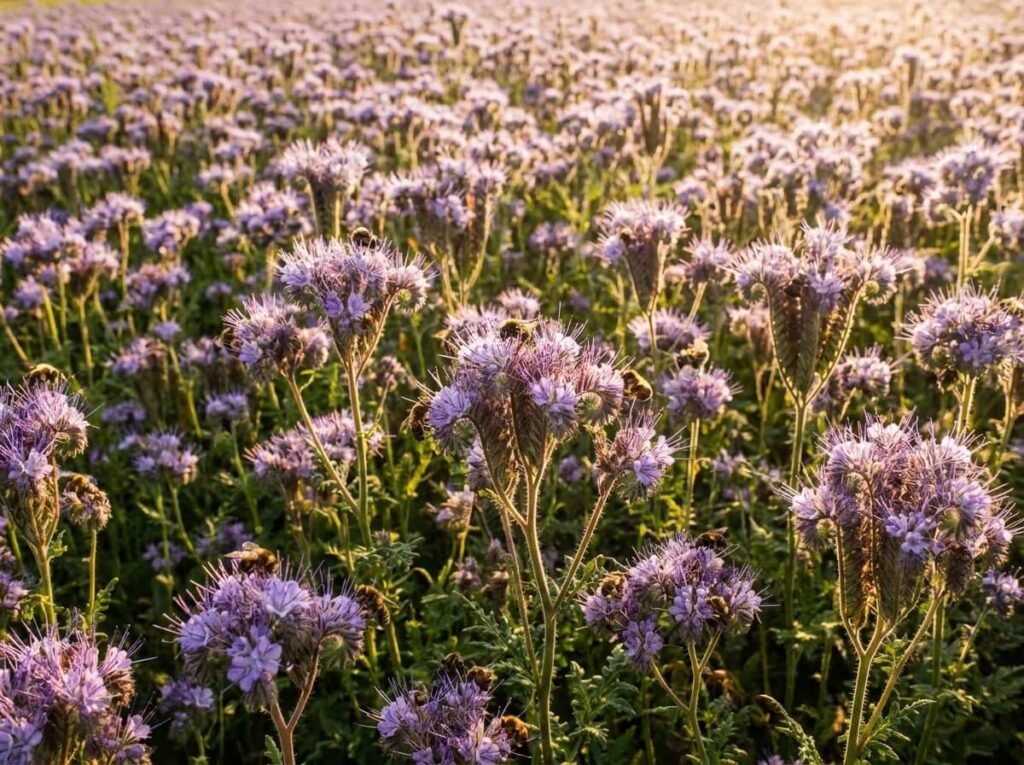
Forest bathing - Shinrin-yoku, when walking becomes an art
Nature & Seasons 10 h agoAdd to bookmarks
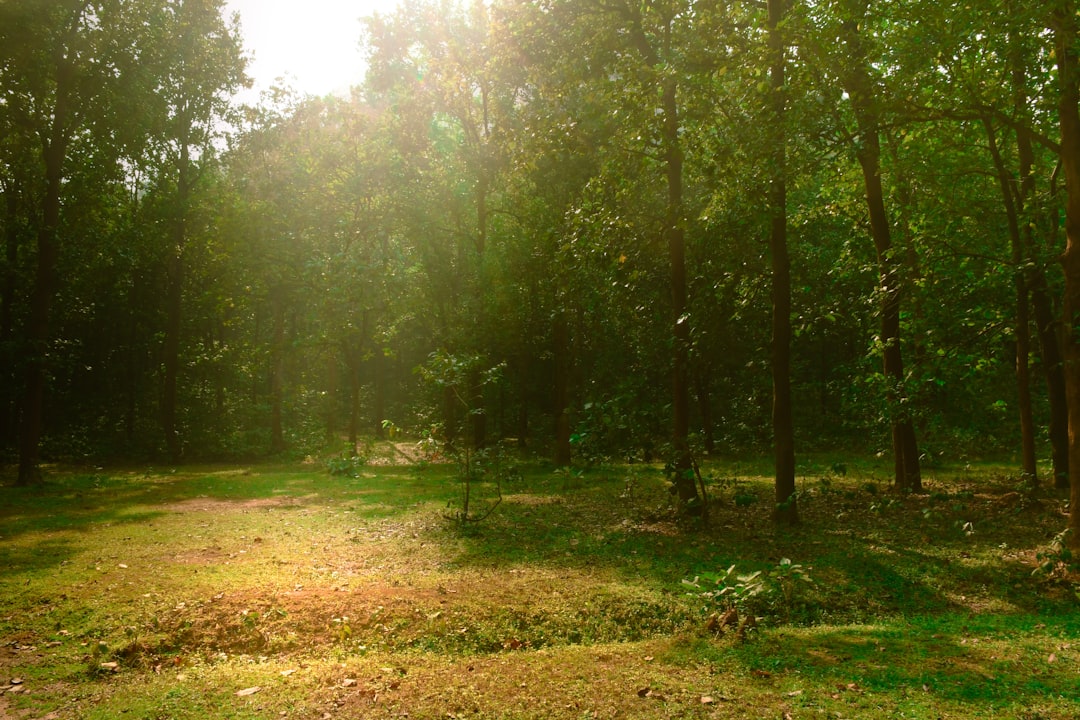
In Japan, there is a word for "forest bathing." It's neither meditation nor a sports walk. It's just being there, under the trees, fully present.
An Invented Word for an Ancient Gesture
Shinrin-yoku (森林浴): the first character, 森 (mori), is the forest - three stacked trees; 林 (hayashi), the grove; 浴 (yoku), the bath. Literally: the forest bath.
The word was coined in 1982 by Tomohide Akiyama, then director of the Japanese Forest Agency. It did not designate anything new - the Japanese have always walked through the cedar groves around the sanctuaries. But it gave a name to what happens when a city body meets a clearing: a slowdown, an expansion, something that settles.
What It Is Not
It is not a hike. You are not trying to cover a distance. You walk slowly, often less than a kilometer in two hours.
It is not a formal meditation. Your eyes remain open, you look around, you touch the bark, you pick a pine needle and crush it between your fingers.
It is not a botany class. It doesn't matter if you can't name the trees - you are there to meet them, not to identify them.
The Gesture, Decomposed
Choose a quiet forest. Not necessarily immense: a one-hectare wood, a tree-lined park, an alley of old beech trees is enough. The idea is to be surrounded by the trees, not at the edge.
Leave your phone in your pocket, in airplane mode. Photos can wait.
Start with three deep breaths, standing, at the entrance to the woods. Like a threshold you cross.
Walk very slowly, three times slower than usual. Stop often. Place a hand on a trunk. Listen to a bird's song until it stops. Watch the light filter through the branches - what the Japanese call komorebi (木漏れ日).
Sit for a moment on a stump, or at the foot of a tree. Do nothing. This moment of non-action is often the densest.
Leave gently. Mark the threshold in the opposite direction, with three breaths.
Ideal duration: between 90 minutes and 2 hours. Less, you don't really descend; more, it's not necessary.
Trees, particularly conifers, emit volatile organic compounds called **phytoncides** (α-pinene, limonene…). Studies conducted by Dr. Qing Li (Nippon Medical School, Tokyo) suggest that being exposed to them for a few hours is associated with a decrease in salivary cortisol. A measurable well-being, to be consumed as a clue, not as a prescription.
A Wabi-Sabi Way of Life
What makes shinrin-yoku beautiful is not the calm performance achieved. It's the acceptance of coming as you are - tired, distracted, cluttered - and letting the forest do what it does: it does not judge, it does not ask for anything. Something unravels simply because you are there.
You don't need to go to Japan. A small wood near your home, once a week, is enough. Take the same forest: as the seasons pass through it, it teaches you to slow down. That's exactly where shinrin-yoku is found.
Forest bathing is a way of life and a well-being training - as a complement, not a replacement for medical follow-up. In case of mood, sleep disorders or persistent fatigue, consult a health professional.
Article produced by artificial intelligence, reviewed under human editorial control.