Hiyayakko - cold tofu for hot days, this Japanese dish that you assemble without turning on the heat
Vegetable Cuisine just nowAdd to bookmarks
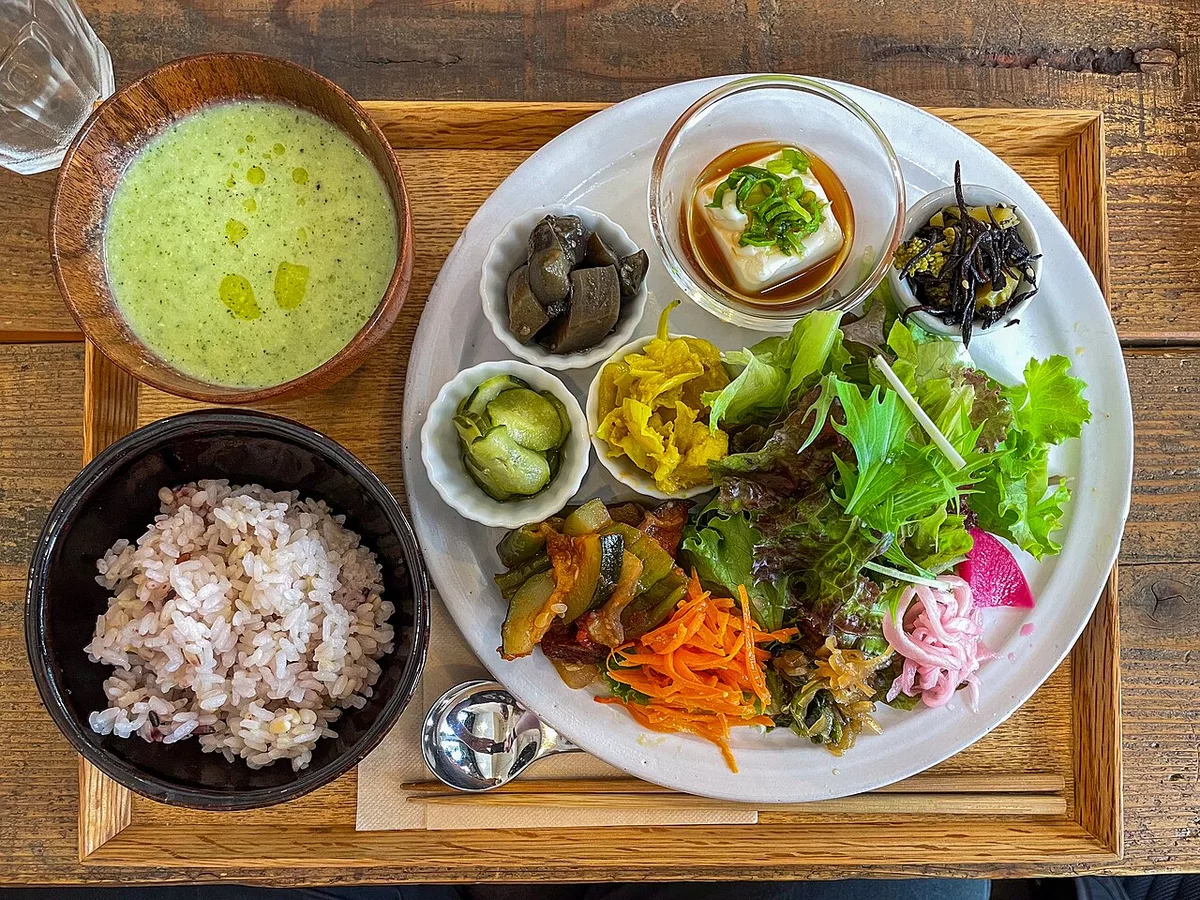
A block of silken tofu, a drizzle of soy sauce, a hint of ginger, a bit of scallion: hiyayakko is the Japanese summer dish that requires no cooking, no sweat, no effort - just good tofu and three simple steps.
A dish that refuses to be hot
Some summer evenings, the mere idea of turning on a stove is already too much. You come home, the apartment has been cooking all afternoon, you open the fridge like you open a window: out of instinct for survival. It is exactly on these evenings that the hiyayakko (冷奴, literally "the cold servant") was born. A dish that refuses to be hot, and makes a virtue of it.
In Japan, it is one of the great summer classics, on par with somen or zaru soba. It appears as early as the Edo period in popular recipe books, served in street stalls on scorching days. The recipe has not changed much since: that's what's beautiful.
What you need (for 2 people)
- 1 block of fresh silken tofu (kinugoshi tôfu, about 300 g) - this is the only ingredient that really counts; buy the best you can find in a health food store or Asian store
- 1 tbsp of soy sauce (naturally fermented, no additives)
- 1 cm of fresh grated ginger
- 1 small green onion or 2 tbsp of chopped chives
- 1 tsp of bonito flakes (katsuobushi) - optional, but it's what gives the umami
- A little toasted sesame oil or a few sesame seeds
The steps, in order
- Take the tofu out 15 minutes beforehand: if it's too cold, it loses all its silk. Fresh but not icy, that's when it sings.
- Drain it gently on a clean towel, without pressing (it's not a firm tofu, we want to keep its softness).
- Cut it into two generous cubes, or place it whole in a hollow bowl - it's a dish you eat with a spoon, not a knife.
- Grate the ginger on top, sprinkle the green onion, pour the soy sauce after so it doesn't soak.
- A drizzle of sesame oil, a pinch of katsuobushi if you have it, and it's ready.
Summer variations
- Tomato version: a few cubes of ripe tomato, a drizzle of olive oil, a hint of shiso or basil. A Japan-Mediterranean bridge that works surprisingly well.
- Peach-basil version: yes, peach goes with silken tofu. Half a fruit in thin slices, a turn of the pepper mill, a little basil. Delicate sweet-salty.
- Myoga-shiso version for purists: if you're lucky enough to have access to these two Japanese summer herbs, you have the canonical version.
- "Non-dogmatic" version: silken tofu, Kalamata olives, capers, a little lemon zest. It's no longer really a hiyayakko, but it's the same gesture - a dish that is composed more than it is cooked.
What makes the difference
The tofu, only the tofu. An industrial tofu under plastic will not give this dish - just a bland cube in a sauce. Look for a fresh, silken tofu, with a close date: it's a living food, it doesn't keep. In a good Asian store or in a health food store, you can find excellent artisanal tofus today.
The rest - the sauce, the ginger, the green onion - is an accompaniment. Three minutes, no heat, a real summer sweetness.
Article produced by artificial intelligence, reviewed under human editorial control.
The journey
Cuisine de saison — légumes du moment, gestes simples
- 1Vegetable tartares - the summer starter that's made with a knife, not a blender20/07/2026
- 2The panzanella - when stale bread becomes the essence of the Italian summer21/07/2026
- 3**Lemon, Feta and Pea Orzo Salad - The Make-Ahead Recipe That Saves Summer**21/07/2026
- 4**Apricot stuffed with almond cream - a summer dessert that relies on three ingredients**21/07/2026
- 5Broccoli, quinoa & lemon stir-fry - the one-pot meal for busy evenings22/07/2026
- 6Gazpacho yellow & colorful skewers - a sun in the glass22/07/2026
- 7Capers - the small salty burst that awakens summer23/07/2026
- 8Apricot, carrot and vanilla yogurt ice cream - no ice cream maker needed23/07/2026
- 9The lupin - the bitter seed turned into an aperitif ritual23/07/2026
- 10Lupins - the small Mediterranean legume that's back for the aperitif23/07/2026
- 11Roasted tomatoes, almond paste & capers - the sun of the south in a dish24/07/2026
- 12Pita, Greek salad & radish tzatziki - the picnic of a summer evening24/07/2026
- 13Pistachio-honey Greek yogurt ice cream - no ice cream maker, with the right move24/07/2026
- 14Hiyayakko - cold tofu for hot days, this Japanese dish that you assemble without turning on the heat27/07/2026
- 15Spicy red lentil pasta & Greek yogurt - the quick dish that satisfies without weighing you down27/07/2026
- 16A fermented condiment to keep in the fridge - the all-purpose miso sauce that brings all vegetables to life27/07/2026


