Capers - the small salty burst that awakens summer
Vegetable Cuisine 14 min agoAdd to bookmarks
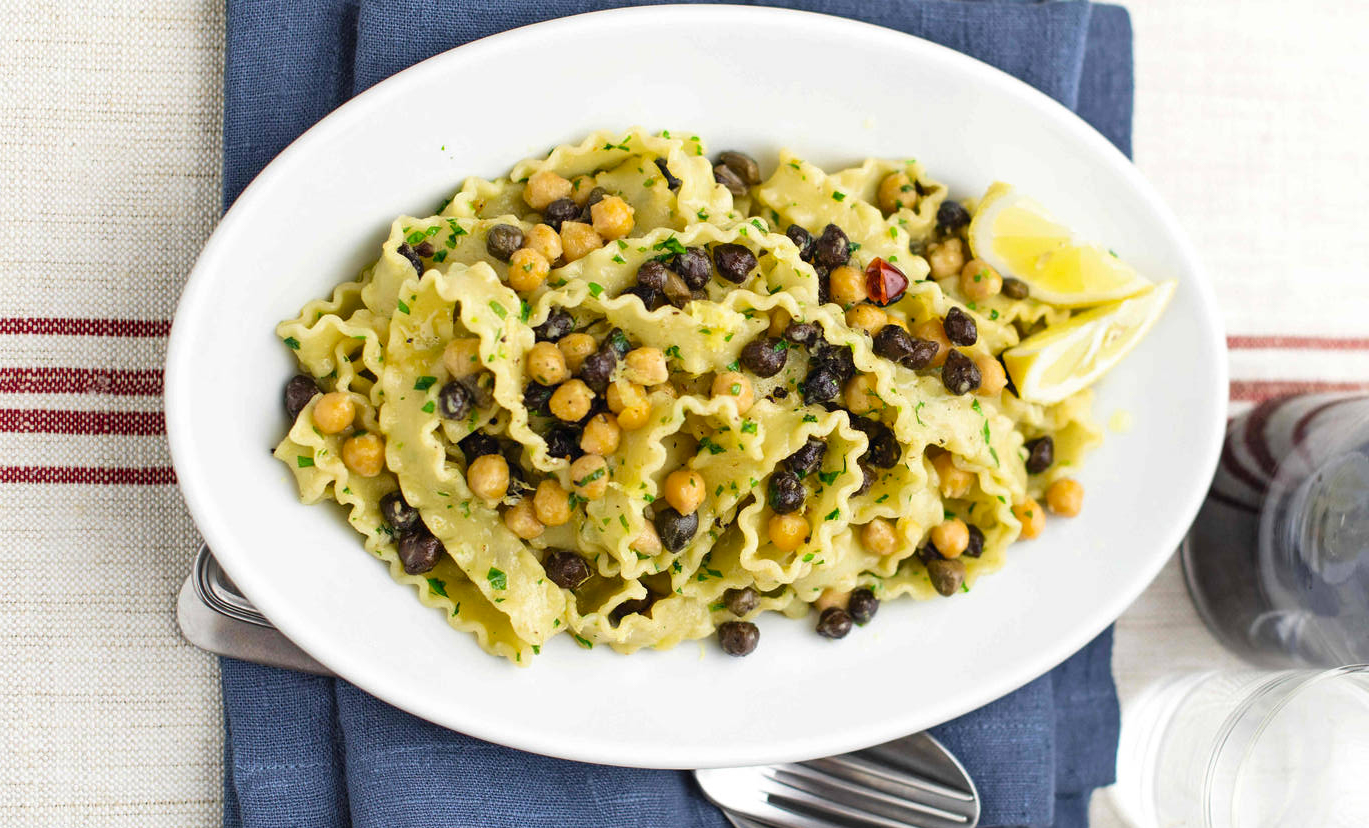
Slightly opened flower buds, preserved in salt or vinegar, capers add in a pinch what's missing from a somewhat bland tomato - a look back at a Mediterranean condiment, with a few usage ideas.
The ingredient
Capers are the unopened flower buds of the caper bush (Capparis spinosa), a thorny shrub that grows spontaneously on the sunny rocks of the Mediterranean coast - Sicily, Pantelleria, Salina, but also Provence, Greece, Levant. Picked by hand early in the morning, these small green buds are then preserved in salt or vinegar: it is this salty maceration (or lacto-fermentation, depending on the process) that gives them their very particular taste - sharp, slightly spicy, almost mustardy, with a floral note that lingers on the tongue.
The gesture
Three ways to make the most of them, without complicating things:
- Rinse beforehand: salted capers benefit from soaking for 15 minutes in clear water, then tasting before adding more. Vinegar capers are content with a simple draining. The aim is to keep the aroma without the excess of brine.
- Add at the end: heat dulls their perfume. On a ripe tomato, a Greek salad, a steamed fish fillet or a slice of mozzarella, they are arranged at the last moment - whole or roughly chopped.
- The rustic pâté: blend a small handful of rinsed capers with blanched almonds, a drizzle of olive oil and a few basil leaves. Spread on toasted bread, or slipped into a roasted tomato, this is enough to make the starter. The caper-almond combination, very Sicilian, softens the liveliness of the bud.
Little tradition
In Sicily, the caper is used in caponata, this sweet and sour dish of aubergines and celery that accompanies the summer. In Pantelleria, a volcanic island off the coast of Tunisia, the caper bush has been cultivated for a long time on the lava terraces: the harvest stretches from May to August and is done bud by bud, by hand. The cucuncia - larger, with a tail - is in fact the fruit of the caper bush, also preserved, less known, delicious to try when you find it.
Complement, not replacement
The caper remains above all a pleasure condiment: it is slipped in for the taste, for the texture, for that little salty shock that structures a summer dish. Like all pickled foods, it brings salt - to be moderated if you are watching your blood pressure. As a complement to a varied diet, not as a replacement for nutritional advice - consult a health professional.
Article produced by artificial intelligence, reviewed under human editorial control.
The journey
Cuisine de saison — légumes du moment, gestes simples
- 1Vegetable tartares - the summer starter that's made with a knife, not a blender20/07/2026
- 2The panzanella - when stale bread becomes the essence of the Italian summer21/07/2026
- 3**Lemon, Feta and Pea Orzo Salad - The Make-Ahead Recipe That Saves Summer**21/07/2026
- 4**Apricot stuffed with almond cream - a summer dessert that relies on three ingredients**21/07/2026
- 5Broccoli, quinoa & lemon stir-fry - the one-pot meal for busy evenings22/07/2026
- 6Gazpacho yellow & colorful skewers - a sun in the glass22/07/2026
- 7Capers - the small salty burst that awakens summer23/07/2026
- 8Apricot, carrot and vanilla yogurt ice cream - no ice cream maker needed23/07/2026
- 9The lupin - the bitter seed turned into an aperitif ritual23/07/2026