Ise-Shima through the Seasons - When Walking Becomes an Inner Pilgrimage
Asian Arts 5 h agoAdd to bookmarks
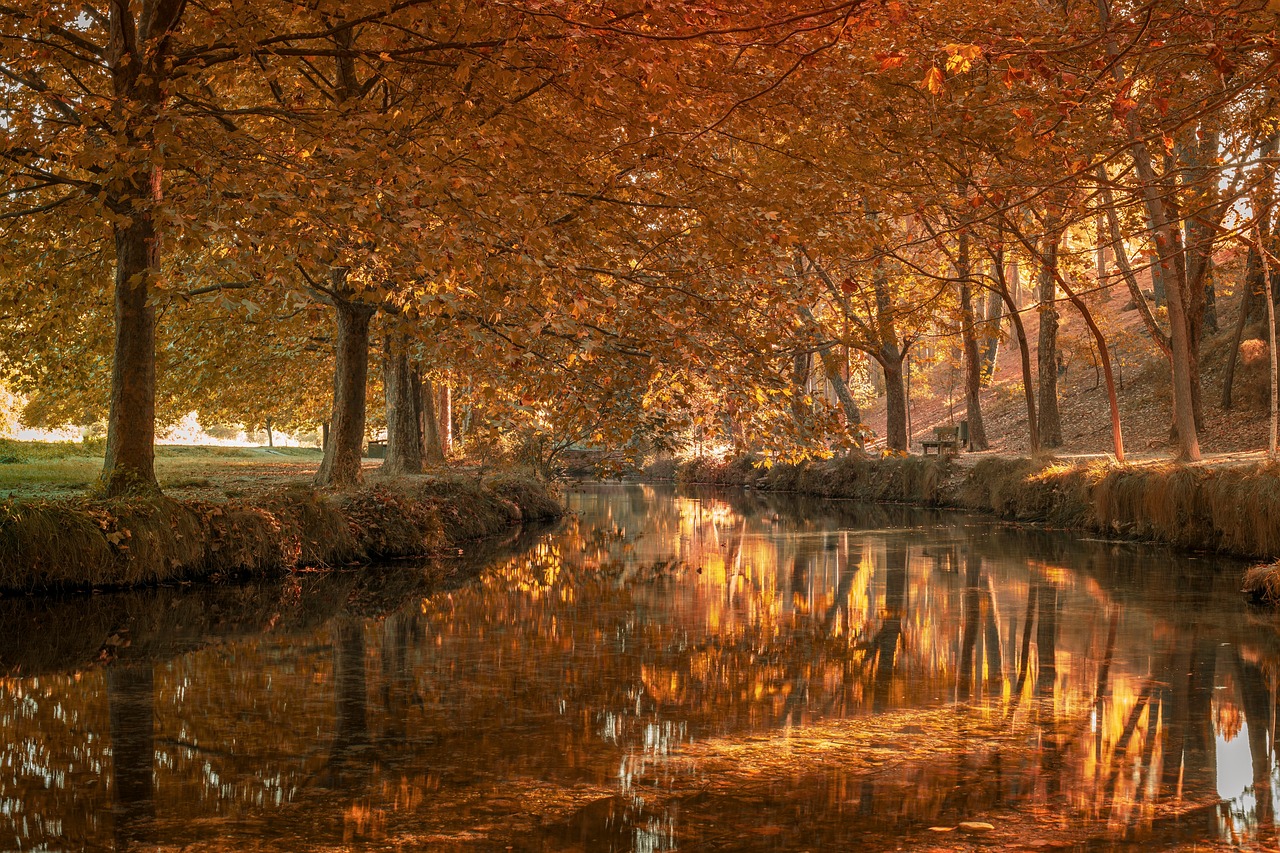
The Ise-Shima Peninsula (伊勢志摩), in southern Japan, has for centuries been a place where Shinto rites harmonize with the cycles of life. An art of slowness, to be borrowed, even from afar.
The grand sanctuary, and what surrounds it
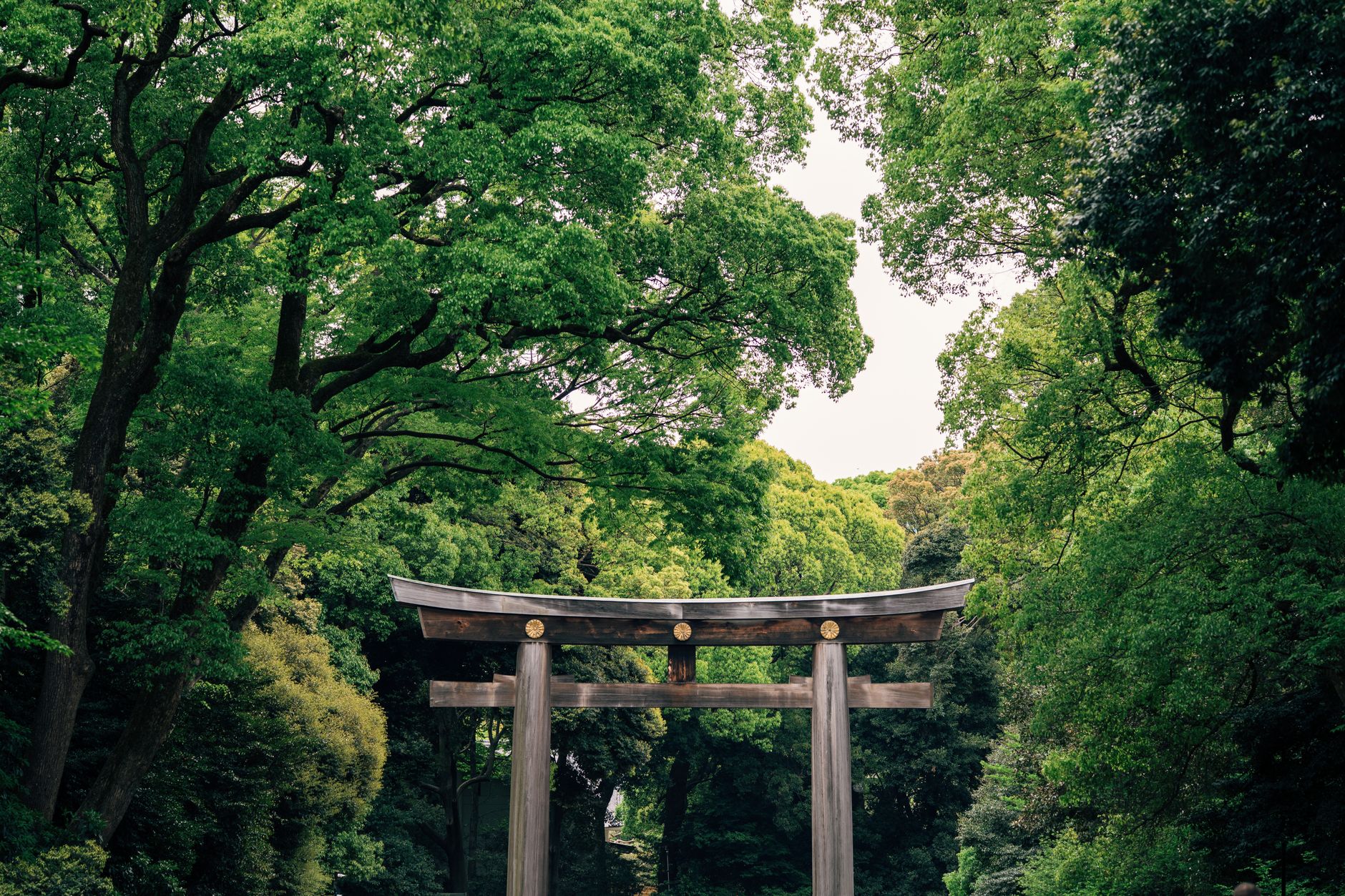
On the edge of Ise Bay, in Mie Prefecture, stands Ise-Jingū (伊勢神宮), one of the most revered shrines of Shinto. It is dedicated to Amaterasu-Ōmikami (天照大御神), the sun goddess. It is neither a spectacular monument nor a talkative place. The pilgrim arrives there via a forest path, crosses a wooden torii, traverses a bridge over the Isuzu River, bows. They will not see the heart of the sanctuary - it is hidden, maintained, renewed every twenty years according to the rite of the Shikinen Sengū (式年遷宮).
Around, the Ise-Shima peninsula unfolds its jagged coasts, its humid forests, its rice fields, and its pearl farms. It is here that a way of life has been founded on a deep attention to the rhythm of the seasons.
The 72 micro-seasons
The traditional Japanese calendar divides the year into 24 sekki (節気), themselves subdivided into 72 kō (候), or one micro-season every five days. Each bears a name of astonishing precision:
- "The peach trees begin to laugh" (late March),
- "The first rainbow appears" (mid-April),
- "The swallows return to the south" (mid-September),
- "The dew freezes into hoarfrost" (late October).
This division is not a poetic game; it is an observation system forged over generations of farmers and monks. It forces one to look at what is changing now, not last week, not next week.
A day in Ise, in small steps
A contemporary pilgrim often follows this path:
- Dawn at the Gekū (the outer pavilion) shrine, dedicated to Toyouke-Ōmikami, the goddess of food and craftsmanship.
- Walk to the forest of the Naikū (the inner pavilion), along the river - a little over an hour on foot.
- Break in the old quarter of Oharai-machi, wooden alleys, scents of miso and matcha.
- A tea, a sweet akafuku mochi (餅), the pale color of the foliage.
No performance. No cliché. Just attention.
The spirit of pilgrimage
The Japanese word junrei (巡礼) designates pilgrimage. Its root evokes "the tour": one does not rush towards a destination, one goes around a place and, in doing so, goes around oneself. In Ise, one understands this physically: the sanctuary has no visible interior. What matters is the path, the step, the presence.
What one can take home
No need for a ticket to Japan. One can:
- Adopt a micro-season. Choose a natural sign near home - the first honeysuckle, the return of the swallows, the first chestnut - and note it as a personal kō.
- Walk in a loop rather than back and forth, around a park, a pond, a block of houses.
- Leave a symbolic torii: two moments - the entry into calm, the exit into the world - that one decides to mark with a breath.
A gentle practice, not a treatment
This approach to time - slow, cyclical, sensory - often brings a feeling of calm and grounding. It does not replace psychological support or medical treatment if one is going through a difficult period.
As a complement, not a replacement - consult a healthcare professional if anxiety or fatigue weighs on you.
Article produced by artificial intelligence, reviewed under human editorial control.