Pranayama: this ancient art of breath that science is rediscovering
Breath & Meditation 11 h agoAdd to bookmarks
Pranayama - the yogic art of breath - spans the millennia. Today, research is once again taking an interest in it. A brief journey into a practice that has always just wanted to be heard.
An Ancient Word, a Concrete Practice
Prana - the vital breath, the subtle energy that flows. Yama - the art of guiding, measuring, and retaining. Together, pranayama designates, in the yogic tradition, the set of breathing exercises codified for more than two millennia.
Long considered in the West as an accessory to postural yoga, pranayama is back in the spotlight. Not as imported mysticism, but as a lucid observation: what we do with the breath changes what happens in the body and in the mind.
What the Tradition Says
Yogic texts distinguish several families of breathing practices. Without delving into an exhaustive taxonomy, let's retain three main intentions:
- Slow down: lengthen the expiration, make room for calm (breaths said to be soothing).
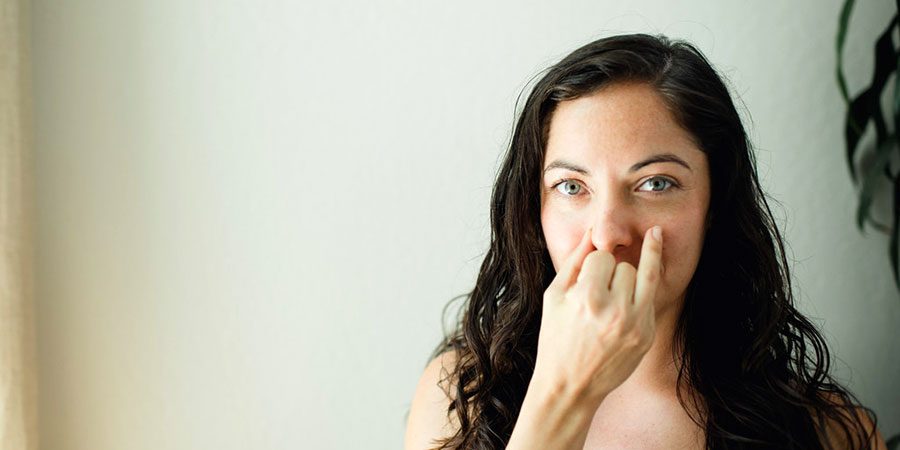
- Balance: alternate right and left nostrils, play with rhythms (breaths said to be balancing, like nadi shodhana).
- Awaken: faster rhythms to tone (to be approached with caution, never to compensate for lack of sleep).
Each of these families has its gestures, postures, and durations.
What Science Says, Soberly
In recent decades, research has focused on slow breathing and its measurable effect - notably on heart rate variability, an indicator associated with recovery capacity and relaxation of the nervous system. Without delving into methodological debates, a cautious consensus emerges: voluntarily slowing down one's breathing has a soothing short-term effect on the autonomic nervous system.
Nothing magical. Nothing new, at the bottom - the yogis knew it in their own language.
A Simple Entry - Coherent Breathing
If you have never approached pranayama, start with this:
- Sit comfortably, back straight without stiffness, hands placed.
- Inhale through the nose while slowly counting to five.
- Exhale through the nose while slowly counting to five.
- No retention, no effort. Just this slow, regular rhythm.
- Five minutes are enough - morning, before a meeting, or before bedtime.
This is the gentlest entry point. Not exactly classical pranayama, but a slow breathing practice that prepares the ground, without risk.
What to Keep in Mind
Pranayama is not a medical treatment. It is a practice of training attention and breath, presented here as an art of living and well-being tool. Some rapid techniques or prolonged retention do not suit everyone - pregnancy, hypertension, epilepsy, heart or respiratory disorders require the advice of a professional before engaging in them.
If you are going through a period of significant anxiety, lasting insomnia, or pain, in addition to follow-up, consult a healthcare professional. The breath accompanies - it does not replace.
A Final Word
Pranayama teaches something rare today: the patience of the body. One does not progress by forcing, one progresses by returning. Five minutes each day are better than an hour once a month. It is a slow art, like the arts that last.
Article produced by artificial intelligence, reviewed under human editorial control.
The journey
Souffle au quotidien — respirations, méditations, sommeil
- 1Meditate without incense or cushion - why the entry threshold is lower than we think18/07/2026
- 2Pranayama: this ancient art of breath that science is rediscovering19/07/2026