A fermented condiment to keep in the fridge - the all-purpose miso sauce that brings all vegetables to life
Vegetable Cuisine just nowAdd to bookmarks
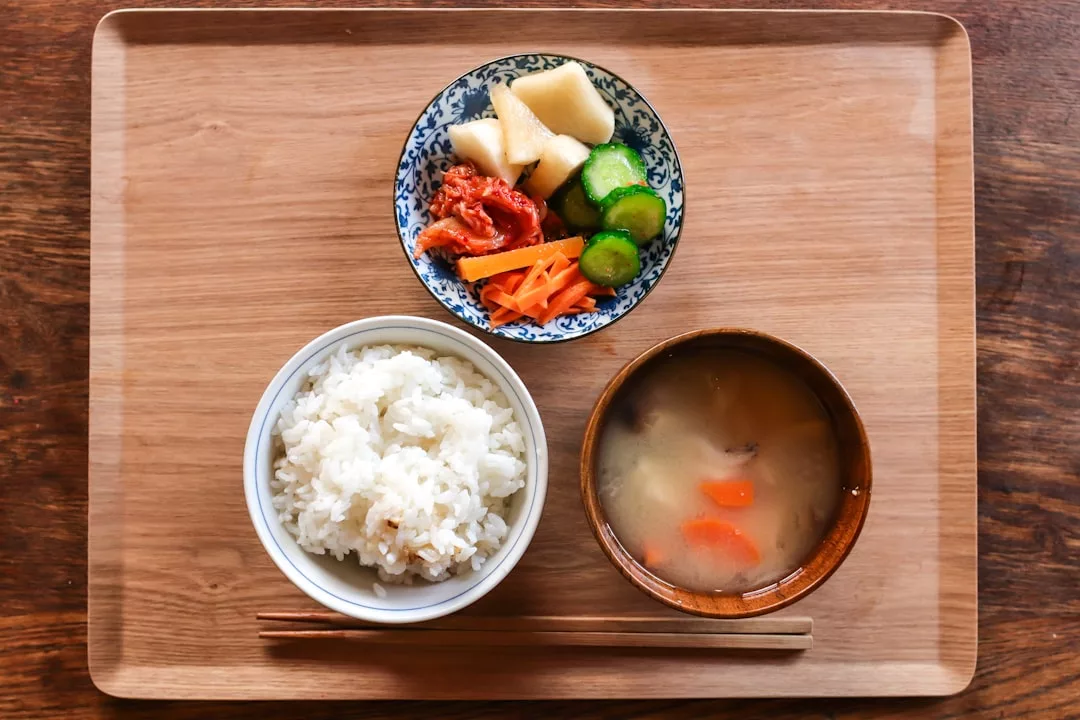
Three spoons, a jar, ten minutes: this Japanese fermented paste, made with rice vinegar and sesame oil, keeps for two weeks and becomes the sauce next to all the steamed vegetables, salads, marinades, and grain bowls of the summer.
The principle: a fermented base sauce
There are preparations that unlock a cuisine. Tahini vinaigrette is one, confit garlic oil another. This small Japanese fermented sauce - miso-dare (味噌だれ) - belongs to this family: you prepare it once, you keep it in the fridge, and you take it out every time a dish lacks a base.
It has the depth of an old sauce base without having required more than a whisk and a bowl. This is the power of miso: this fermented soy paste, born in Japan more than a thousand years ago, brings on its own what we spend hours looking for in a broth - umami, that fifth taste that makes "there you go, it's good".
The basic recipe (a small jar, about 200 ml)
- 4 tbsp of light miso paste (shiro miso - the sweetest, perfect for beginners)
- 2 tbsp of mirin (or: 1 tbsp of sake + ½ tsp of sugar)
- 2 tbsp of rice vinegar
- 2 tbsp of water (adjust for texture)
- 1 tsp of toasted sesame oil
- 1 clove of garlic finely grated (optional)
- 1 cm of ginger grated (optional)
Whisk everything in a bowl until you get a creamy texture. Pour into a small clean jar. Keep for 2 weeks in the fridge.
How to use it (the real interest)
This is not a sauce for a particular dish - it's a base:
- On steamed vegetables (broccoli, cauliflower, green beans): one spoon, everything is awakened
- As a vinaigrette on a cucumber-radish-avocado salad
- As a quick marinade (20 min) for an eggplant before grilling - the paste caramelizes beautifully
- As a dip for raw vegetables (carrot sticks, endive, radish)
- On a bowl of cereals (rice, pearl barley, spelt) with roasted vegetables - the "donburi" of Sunday evening
- In a noodle soup: one spoon at the end of cooking, off the heat (the live paste does not like boiling), and the broth gains depth
Three variations worth the detour
- Peanut version: + 2 tbsp of peanut butter = a satay-type sauce perfect for cold noodles
- Lemon-yuzu version: replace the rice vinegar with yuzu juice (or half lemon, half orange) = more lively, superb on white fish
- Sweet version: + 1 tsp of maple syrup = glaze for salmon or mushrooms in the oven (200°C, 10 min)
The little fermentation tip
Unpasteurized miso paste contains active ferments, like a good cheese. We do not boil it: we add it at the end of cooking to preserve its taste and qualities. Look for a bio paste, without additives, if possible Japanese or French artisan - there are excellent ones in Brittany and Aveyron.
A good miso paste is the same logic as a good olive oil: an ingredient that we pay a little more for, that we use sparingly, but that makes the difference in ten dishes.
Article produced by artificial intelligence, reviewed under human editorial control.
The journey
Cuisine de saison — légumes du moment, gestes simples
- 1Vegetable tartares - the summer starter that's made with a knife, not a blender20/07/2026
- 2The panzanella - when stale bread becomes the essence of the Italian summer21/07/2026
- 3**Lemon, Feta and Pea Orzo Salad - The Make-Ahead Recipe That Saves Summer**21/07/2026
- 4**Apricot stuffed with almond cream - a summer dessert that relies on three ingredients**21/07/2026
- 5Broccoli, quinoa & lemon stir-fry - the one-pot meal for busy evenings22/07/2026
- 6Gazpacho yellow & colorful skewers - a sun in the glass22/07/2026
- 7Capers - the small salty burst that awakens summer23/07/2026
- 8Apricot, carrot and vanilla yogurt ice cream - no ice cream maker needed23/07/2026
- 9The lupin - the bitter seed turned into an aperitif ritual23/07/2026
- 10Lupins - the small Mediterranean legume that's back for the aperitif23/07/2026
- 11Roasted tomatoes, almond paste & capers - the sun of the south in a dish24/07/2026
- 12Pita, Greek salad & radish tzatziki - the picnic of a summer evening24/07/2026
- 13Pistachio-honey Greek yogurt ice cream - no ice cream maker, with the right move24/07/2026
- 14Hiyayakko - cold tofu for hot days, this Japanese dish that you assemble without turning on the heat27/07/2026
- 15Spicy red lentil pasta & Greek yogurt - the quick dish that satisfies without weighing you down27/07/2026
- 16A fermented condiment to keep in the fridge - the all-purpose miso sauce that brings all vegetables to life27/07/2026


