Yamaguchi - the "Kyoto of the West", between estuaries, torii gates and forgotten shrines
Asian Arts 1 h agoAdd to bookmarks
Second leg of the journey to Chûgoku: Yamaguchi (山口県), a southern prefecture where one finds a slower, maritime, almost secret Japan.
Context
Yamaguchi is sometimes called the "Kyoto of the West" (西の京, Nishi no Kyō), in remembrance of its medieval splendor of the 15th century, when the Ōuchi clan built temples and pagodas there, inspired by the imperial capital. Today, the prefecture - wedged between the Seto Inland Sea to the south and the Sea of Japan to the north - offers more than the crowds of the Kansai region: empty estuaries, sanctuaries nestled in the hills, seaside cuisine, and a rhythm that has not yet surrendered.
Three gateways
1. Yamaguchi City and the five-story pagoda of Rurikō-ji
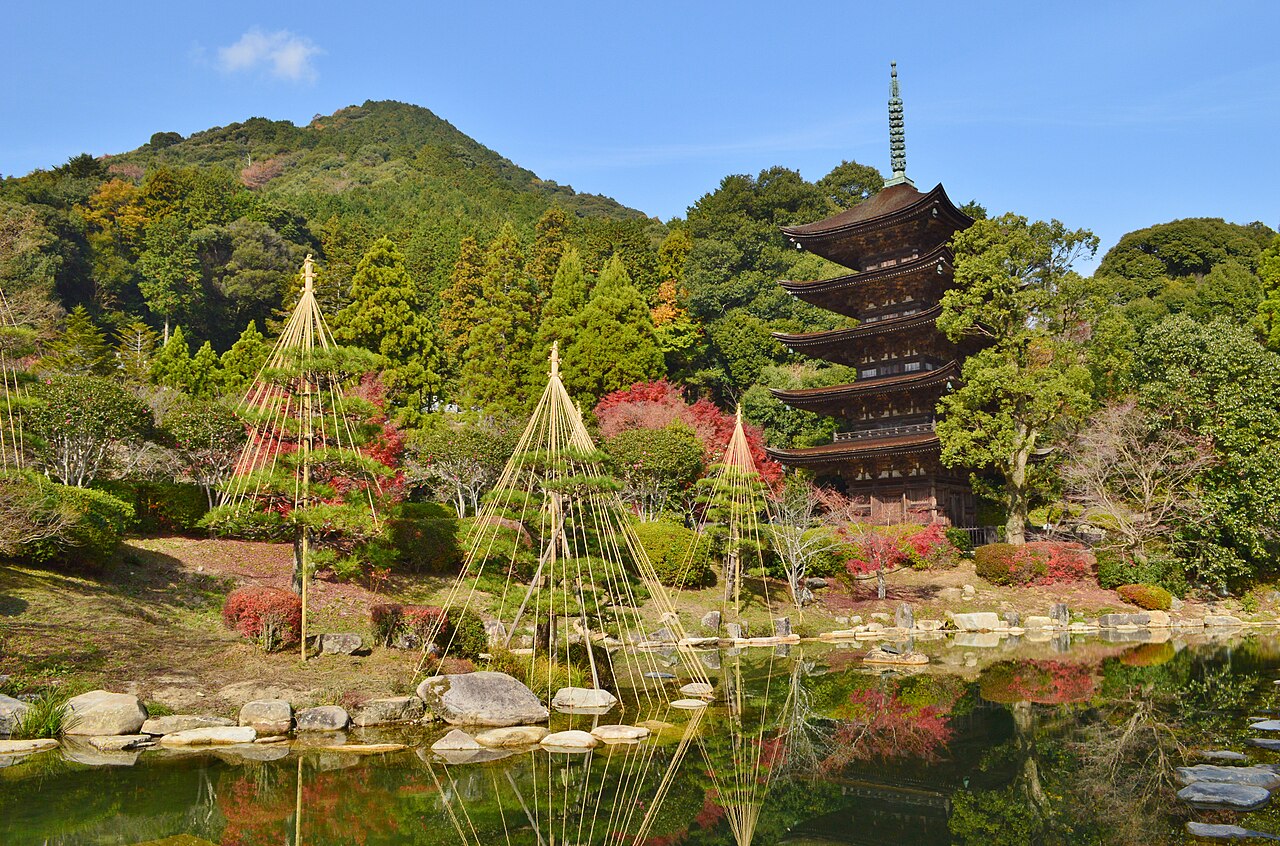
In the heart of the city, the Rurikō-ji temple (瑠璃光寺) houses one of the three most beautiful five-story pagodas in Japan, standing since the 15th century. Unlike the monuments of Kyoto, you can often walk around it in almost total quietude. The color of the wood, weathered by the seasons, blends with the surrounding moss and maples - pure wabi-sabi.
2. Motonosumi Inari - the torii at the edge of the world
On the northwest coast, the Motonosumi Inari shrine (元乃隅稲成神社) aligns 123 red torii that cascade down a cliff to the sea. At the top of the largest one, a small offering box: if you manage to throw your coin into it, your wish - says tradition - will be granted. The place regularly appears in international selections of the most photogenic sites in Japan. Beware of strong winds.
3. Hagi and the land of soft fire
To the west, the small castle town of Hagi (萩) preserves, almost intact, its former samurai quarters - high white walls, earthen streets, orange trees in the gardens. Hagi is also famous for its Hagi-yaki ceramics (萩焼), with beige-pink glazes that "breathe": their glaze cracks and gently tints with tea, a gift of time.
The atmosphere
What strikes you in Yamaguchi is the light: softer than in Tokyo, eaten by the sea mist, less blue than that of Kyushu. The regional stations are empty, the trains slow (a single track, often), the temples open. You travel there as you walk - without haste, without too precise a plan.
Practical references
- From Hiroshima: 40 minutes by Shinkansen to Shin-Yamaguchi.
- Seasons: spring (April, wisterias of Rurikō-ji) and autumn (maples, November) are unparalleled. Summer is very hot and humid.
- Two days minimum to glimpse Yamaguchi + Hagi.
To follow: third stage of the journey to Chûgoku - Shimane and the mysteries of Izumo.
Article produced by artificial intelligence, reviewed under human editorial control.
The journey
Japon — art de vivre et gestes saisonniers
- 1Ise-Shima through the Seasons - When Walking Becomes an Inner Pilgrimage18/07/2026
- 2**komorebi, the light that filters through the leaves**19/07/2026
- 3**Uchimizu - The Japanese Art of Sprinkling Water to Cool Down in Summer**21/07/2026
- 4Yamaguchi - the "Kyoto of the West", between estuaries, torii gates and forgotten shrines22/07/2026