**Mullein - the bitter plant of cloisters that helps to get through colds**
Remedies & Herbs 20 h agoAdd to bookmarks
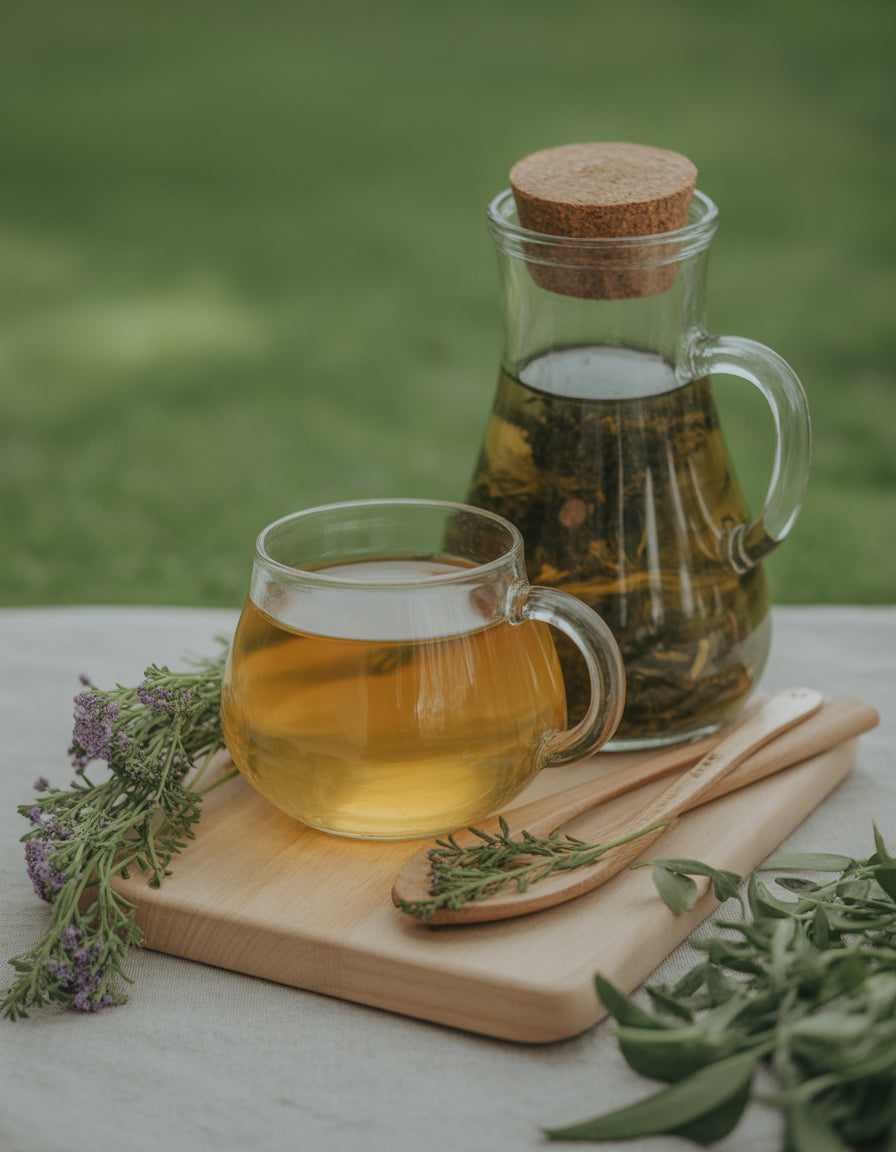
Modest herb of the physic gardens, the horehound (Marrubium vulgare) is one of those plants that we pick without making a noise. Bitter, robust, it survived the winters in the infusions of the cloisters. Here is its story and the concrete gesture of the infusion, to be reserved for the end of cool days.
A plant that goes unnoticed
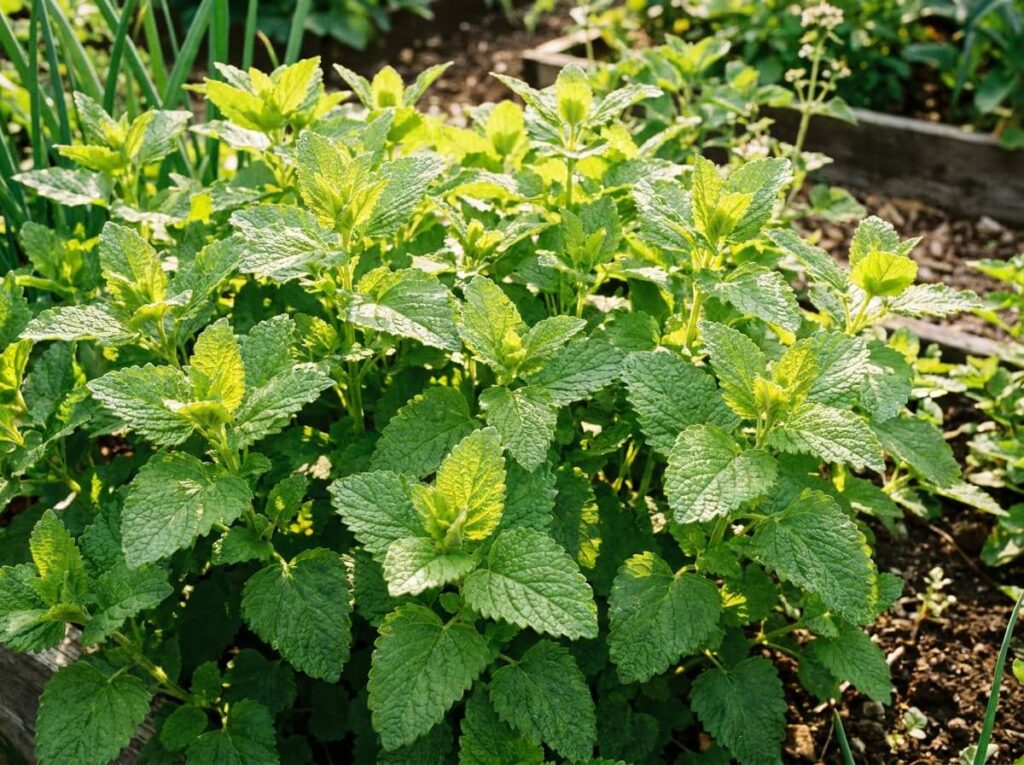
If you come across white horehound by the side of a dry path, you might not see it: a stocky plant with corrugated green-grey leaves, as if dusted with flour, and a square stem typical of the Lamiaceae family - the family of mint, thyme, and lemon balm. Its scientific name is Marrubium vulgare. In Germany, it is called Andorn; it is also known as "common horehound" or "white horehound," in contrast to black horehound, which is another, more toxic plant that it is better to be able to distinguish.
It is a herb that likes poor soils and old walls. Monks in monasteries grew it in the herb garden, those squares of herbs that were kept within reach for winter infusions. Hildegard of Bingen (12th century) mentions it in her Physica as a plant useful for the voice and bronchi - a use it shares with many other traditions, from the Mediterranean basin to Central Europe.
Practical uses
What to harvest: the flowering tops, picked when the plant is in bloom (in summer), dried in the shade, then stored in an opaque jar.
The evening cool infusion:
- 1 teaspoon of dried flowering tops
- 250 ml of simmering water (barely boiling)
- infuse covered for 5 to 7 minutes, no more (beyond that, bitterness dominates)
- strain, add a spoon of honey - this is the traditional way to temper marrubiin, the bitter principle of the plant
To be enjoyed in the evening, when autumn is approaching and your voice becomes hoarse after a windy walk. You can extend it into a short course of a few days; you do not settle into long-term daily consumption.
The bitterness of horehound is not a quirk: in traditional herbalism, it is precisely what makes the plant useful - bitter principles gently stimulate the digestive and respiratory spheres. That is why it is drunk in moderation and sweetened with a little honey: the aim is to taste the bitterness, not to gorge on it.
Another piece in the evening infusion corpus
This thread of evening infusions - chamomile, lemon balm, verbena, thyme, lime blossom - finds in horehound a more rugged note, less "sweet" than its cousins. It is not the infusion you will serve to a tired child; it is the one you keep for yourself, when you need something with a bit of character. It extends the table of evening plants towards the bitter and the autumnal, where lemon balm and chamomile held the sweet and floral note.
Precautions to know
White horehound is not recommended during pregnancy and breastfeeding, nor for children. Due to its action on the digestive and cardiac spheres (in high doses), people who are undergoing treatment (especially for the heart or blood pressure) should talk to their doctor or pharmacist before drinking it regularly. It is also a plant to be consumed in short courses, not as a daily drink.
As always in this corner of the magazine: horehound soothes, comforts, accompanies - it does not replace medical advice if the cough persists, if the fever rises, if something seems out of the ordinary. As a complement, not a replacement - consult a healthcare professional.
A seasonal gesture
What I like about horehound is that it is not flamboyant. It does not perfume the house like lavender, it does not make itself admired like the rose. It is a plant of patience, which you keep in a jar, which you take out one autumn evening when a bit of wind has made your throat scratchy, and which you drink slowly, with honey, watching the day fade. Nothing more, nothing less.
Article produced by artificial intelligence, reviewed under human editorial control.
The journey
Tisanes du soir — plantes qui aident à déposer la journée
- 1The lemon balm - the herb of endless summer evenings20/07/2026
- 2**Mullein - the bitter plant of cloisters that helps to get through colds**20/07/2026